Italy 2026: New Rules, Regrets, and Sacred Site Etiquette for Travelers
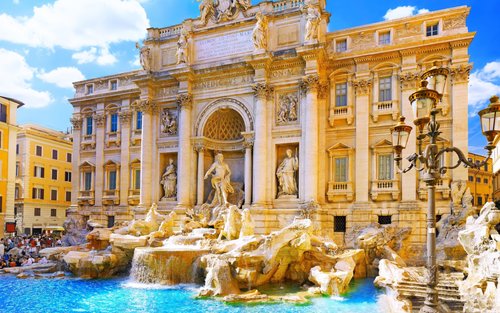
Italy remains one of the world's most beloved travel destinations, but as 2026 approaches, several new developments are reshaping the tourist experience. Recent news has sparked debate over sacred-site etiquette, with a viral incident involving a traveler's 'church clothing hack' dividing opinions. The controversy highlights the delicate balance between personal comfort and respect for centuries-old traditions. Meanwhile, Venice's mayor has proposed a dynamic-pricing entry fee for day-trippers, potentially reaching up to $59 during peak periods. These changes signal a broader shift toward sustainable tourism, ensuring that Italy's cultural treasures endure for future generations. For savvy travelers, understanding these updates is key to a smooth and enriching journey.
The church dress code debate underscores a timeless challenge: how to stay cool while visiting Italy's magnificent cathedrals during sweltering summers. A recent social media post showed a tourist using a scarf to cover bare shoulders, sparking praise and criticism alike. While creativity is appreciated, many locals and clergy emphasize that modesty is non-negotiable in sacred spaces. Shoulders and knees must be covered, and removing hats is expected. The best approach is to carry a lightweight shawl or long-sleeved layer, which can be easily slipped on before entering. This small preparation shows respect and avoids any awkward confrontations, allowing you to fully absorb the spiritual and artistic grandeur of places like St. Peter's Basilica or Florence's Duomo.
Venice, already a hotspot for overtourism, is taking bold steps to manage visitor flow. The proposed dynamic-pricing fee, which could fluctuate based on demand, aims to discourage short-term day-trippers who crowd the canals without contributing significantly to the local economy. While the maximum fee of $59 may seem steep, it reflects the city's commitment to preserving its fragile infrastructure and unique character. For travelers planning a 2026 visit, this means budgeting extra for peak-season access or considering a multi-day stay, which may exempt you from the fee. Alternatively, explore Venice during shoulder seasons—spring and autumn offer pleasant weather, fewer crowds, and lower costs, making for a more authentic Venetian experience.
A recent Business Insider article detailed a first-time visitor's five regrets, offering valuable lessons for anyone heading to Italy. The top regrets included overpacking, underestimating the need for comfortable walking shoes, and failing to book popular attractions in advance. Another common misstep was skipping smaller towns in favor of major cities, missing out on Italy's true charm. The article also stressed the importance of learning basic Italian phrases—locals appreciate the effort, and it often leads to warmer interactions. Finally, the traveler wished they had allowed more time for spontaneity, as rigid itineraries can prevent those serendipitous discoveries—a hidden trattoria, a quiet piazza, or an impromptu conversation—that make travel magical.
Practical tip: Always carry a lightweight scarf or pashmina for church visits, and check Venice's official tourism website for the latest dynamic-fee updates before booking. Book major attractions like the Colosseum and Uffizi Gallery at least two months in advance to secure tickets and avoid disappointment.