Italy 2026 Travel Guide: Smart Tips to Avoid Tourist Pitfalls
As the summer of 2026 approaches, Italy is once again bracing for an influx of travelers eager to soak up its sun-drenched coastlines, historic cities, and culinary delights. However, recent reports warn of potential travel disruptions affecting UK tourists, with new safety advisories for Italy alongside Bahrain, Saudi Arabia, and Kuwait. While these headlines may sound alarming, the reality is that Italy remains one of the safest and most welcoming destinations in Europe. The key is to stay informed: check your government's travel advice before departure, ensure your passport is valid for at least six months, and consider travel insurance that covers unexpected cancellations. By planning ahead, you can sidestep the chaos and focus on the dolce vita.
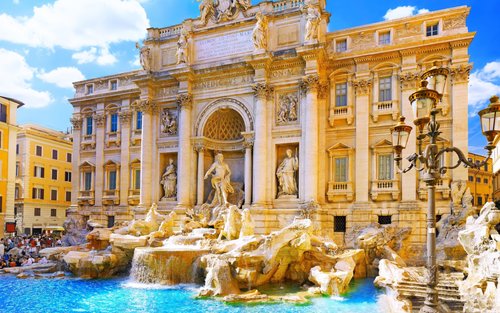
One of the biggest stories this summer is the sheer volume of visitors descending on iconic hotspots like Rome's Trevi Fountain, Florence's Uffizi Gallery, and the Amalfi Coast. The New York Post recently highlighted how throngs of tourists are overwhelming these beloved sites, leading to long queues and crowded piazzas. But savvy travelers know that Italy's magic extends far beyond the postcard-perfect landmarks. Venture to lesser-known gems like the medieval hill town of Civita di Bagnoregio, the tranquil beaches of Puglia, or the art-filled city of Bologna. Booking tickets online in advance for major attractions and visiting early in the morning or late in the afternoon can also transform your experience from stressful to serene.
Another common pitfall that can ruin a vacation is dressing inappropriately for the Italian summer. A recent article from a Rome-based travel writer for Travel + Leisure outlined the top ten outfit mistakes tourists make, from wearing flip-flops in the city to packing only synthetic fabrics. Italy's summer heat is no joke, but neither is its cultural respect for style. Opt for breathable linen, comfortable yet chic walking sandals, and a light scarf to cover shoulders when entering churches. Remember that many cathedrals, including St. Peter's Basilica, enforce strict dress codes. Dressing like a local not only helps you blend in but also keeps you cool and comfortable while exploring ancient cobblestones.
Looking ahead to 2026, it's also wise to be aware of new regulations and infrastructure changes that could affect your trip. Several Italian cities are implementing stricter limits on short-term rentals and introducing pedestrian-only zones to manage overtourism. Venice, for instance, has tested a day-tripper fee and may expand it. However, these measures are designed to enhance your experience by reducing congestion and preserving the charm of these places. To stay ahead, follow official tourism board updates and consider traveling during shoulder seasons like late spring or early autumn. This approach not only avoids the peak crowds but also offers milder weather and often lower prices on accommodation and flights.
Practical tip: Always carry a reusable water bottle—Italy has thousands of public water fountains (fontanelle) offering free, cold, and safe drinking water. This saves money, reduces plastic waste, and keeps you hydrated while exploring.