Italy 2026 Travel Guide: Open-Air Revolution, Tips & Trends
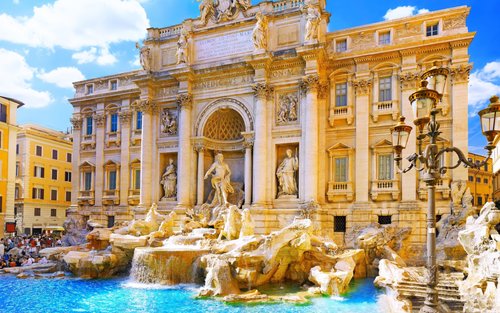
Italy is experiencing a remarkable open-air travel revolution in 2026, drawing massive global tourist influx to its sun-drenched beaches, sprawling vineyards, and ancient heritage sites. From the Amalfi Coast’s crystalline waters to the rolling hills of Tuscany and the timeless ruins of Rome, travelers are embracing outdoor experiences that blend culture, nature, and gastronomy. This surge reflects a growing desire for authentic, immersive journeys where visitors can explore archaeological wonders, sip local wines under olive groves, and hike coastal trails. Italy’s commitment to preserving its natural and historical treasures while accommodating modern tourism ensures that every traveler finds a perfect balance between adventure and relaxation. Whether you’re a first-time visitor or a seasoned explorer, 2026 promises unforgettable moments under the Italian sun.
However, with popularity comes higher prices and occasional pitfalls. A recent report highlighted a US tourist charged €44 for two ice creams in Rome, sparking debates about transparency and value. While such incidents are rare, they underscore the importance of researching local prices and choosing reputable vendors. In popular tourist hubs like the Trevi Fountain or Piazza Navona, gelato shops often charge premium rates for prime locations. Savvy travelers can avoid overpaying by stepping just a few blocks away, where quality remains high but prices drop significantly. Italy’s open-air revolution also means more pop-up stalls and seasonal markets—perfect for sampling authentic treats without the tourist markup. Always check menus for displayed prices before ordering, and don’t hesitate to ask locals for recommendations on affordable yet delicious spots.
Packing appropriately is another key to enjoying Italy’s open-air attractions without discomfort. A travel writer from Rome recently warned against common summer outfit mistakes: heavy fabrics, uncomfortable shoes, and overly casual beachwear in cities. Lightweight linens, breathable cottons, and comfortable walking shoes are essential for exploring cobblestone streets and ancient amphitheaters. For vineyard tours and coastal hikes, layerable clothing protects against changing temperatures, while a stylish scarf or hat adds both sun protection and local flair. Remember that many churches and historic sites require modest dress—shoulders and knees covered—so pack versatile pieces that transition from beach to basilica. By dressing thoughtfully, you’ll feel confident and respectful while blending in with style-conscious Italians.
Beyond packing, planning your itinerary around Italy’s open-air treasures maximizes your experience. Consider visiting lesser-known heritage sites like the Etruscan tombs in Cerveteri or the vineyards of Franciacorta to avoid crowds while enjoying world-class beauty. Booking guided tours for archaeological parks or wine-tasting experiences often provides insider access and context that enriches your journey. The open-air revolution also includes agriturismos—farm stays where you can harvest olives, learn pasta-making, and sleep under starry skies. These sustainable tourism options support local communities and offer genuine connections to Italian culture. With advance reservations, especially during peak summer months, you’ll secure spots at popular beaches like Sardinia’s La Pelosa or the Cinque Terre trails, ensuring a seamless and rewarding trip.
Practical tip: To save money on food in tourist zones, always check the menu for listed prices before ordering, and avoid places with pushy staff or no price display. For authentic gelato, look for shops where the flavors are stored in covered metal tins—a sign of artisanal quality—and expect to pay around €3–5 for a medium cone.