Italy 2026 Travel Guide: New Fees, Timeless Magic & Smart Tips
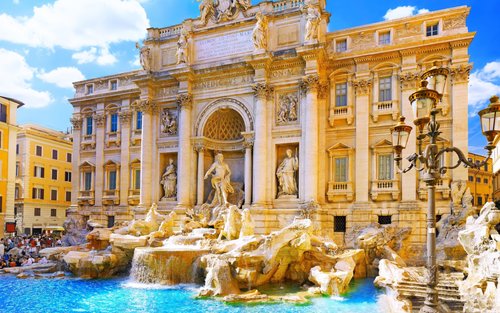
Italy remains one of the world’s most beloved travel destinations, and 2026 promises to be a year of both enchantment and evolution. Recent reports from Business Insider reveal that even seasoned travelers can leave with regrets—rushing through Rome’s Colosseum, skipping lesser-known towns, or underestimating crowd levels. The key is to slow down and savor each region’s unique rhythm. From the sun-drenched Amalfi Coast to the rolling hills of Tuscany, Italy rewards those who linger. With proper planning, you can avoid the five common regrets: not booking key attractions in advance, overpacking, ignoring local dining customs, missing the quieter countryside, and failing to budget for rising costs. Embrace the Italian concept of 'dolce far niente'—the sweetness of doing nothing—and you’ll leave with memories, not regrets.
Venice, the floating city, is making headlines in 2026 with a bold new proposal from its mayor: a dynamic-price tourist fee that could reach up to $59 (€55) on peak days, as reported by CBS News and People.com. This represents a staggering 900% increase from the current €5 fee. The system aims to manage overtourism by adjusting prices based on real-time visitor numbers, hotel occupancy, and cruise ship arrivals. Day-trippers will feel the biggest impact, while overnight guests may see lower charges or exemptions. This shift mirrors a global trend toward sustainable tourism, and while it may sting the wallet, it also means fewer crowds and a more serene experience. For travelers, this is a call to book ahead and consider shoulder seasons like late spring or early autumn, when fees are lower and the city is less congested.
Beyond Venice, Italy’s other iconic destinations are also adapting to 2026 realities. Florence, Rome, and Cinque Terre are implementing timed-entry systems and caps on visitor numbers to preserve their cultural treasures. The good news? These measures often lead to a more intimate encounter with art and history. Imagine standing before Michelangelo’s David with only a handful of fellow admirers, or watching sunset over the Tuscan hills without a sea of selfie sticks. The Italian government is also investing in lesser-known gems, such as Matera’s ancient cave dwellings or the wild beauty of Sardinia’s coastline. By venturing off the beaten path, you’ll discover authentic trattorias, untrampled beaches, and the warmth of local hospitality that has defined Italy for centuries.
For first-time visitors, the key to a stress-free 2026 trip lies in preparation. Start by booking flights and accommodation early—especially for Venice, where the new fee system will incentivize advance planning. Download Italy’s official tourism app for real-time updates on fees, closures, and crowd levels. Pack light, comfortable shoes for cobblestone streets, and always carry a reusable water bottle to refill at public fountains (known as 'fontanelle'). Learn a few Italian phrases like 'Buongiorno' and 'Grazie'—locals appreciate the effort. And don’t overlook travel insurance, as medical costs can be high. Most importantly, build flexibility into your itinerary. Italy’s magic often happens in unplanned moments: a chance encounter with a street musician in Naples, a gelato shared on a piazza in Bologna, or a vineyard tour that wasn’t on your list.
Practical tip: To avoid the new Venice dynamic fee, stay overnight in the city or visit on weekdays during off-peak months (November–March). Always check the official Venice tourism website before arrival for the latest fee schedule and exemptions. For other Italian hotspots, book museum tickets online at least two weeks in advance to skip long queues and secure your preferred time slot. This small step can save you hours and ensure you don’t miss must-see masterpieces like the Uffizi Gallery or the Vatican Museums. Remember, a well-planned trip to Italy in 2026 isn’t just about seeing sights—it’s about immersing yourself in a culture that celebrates beauty, food, and connection. With these strategies, you’ll navigate the new fees and crowds with ease, leaving you free to fall in love with Italy all over again.