Italy 2026 Travel Boom: Tips to Avoid Tourist Traps & Crowds
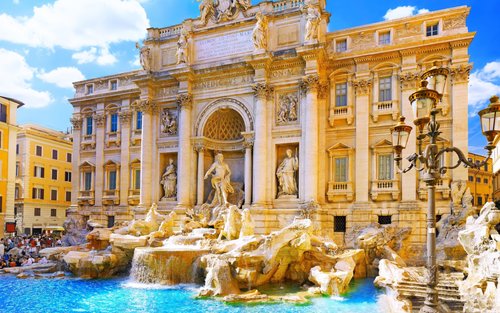
Italy is experiencing an unprecedented tourism boom as we head into 2026, with historic growth in visitor numbers and foreign spending reshaping the travel landscape. According to recent reports, the country has welcomed millions more travelers than in previous years, with regional destinations like Puglia, Umbria, and the Dolomites taking center stage alongside iconic cities such as Rome, Florence, and Venice. This surge reflects a global desire for la dolce vita, but it also brings challenges—from overcrowded piazzas to soaring prices for everyday treats. For savvy travelers, understanding these shifts is key to planning a trip that feels both magical and manageable.
The flip side of Italy's popularity is the risk of tourist traps, as highlighted by a recent incident where a US tourist was charged €44 for two ice creams in Rome. While such stories make headlines, they underscore a broader reality: in high-season hotspots, prices can skyrocket, and quality doesn't always follow. However, this doesn't mean you should skip Italy—far from it. Instead, it's a call to be informed. Many beloved gelaterias in Rome still serve artisanal scoops for €3–€5, and venturing just a few streets away from major landmarks often reveals authentic, fairly priced gems. The key is knowing where to look and when to go.
To beat the throngs of tourists that now overrun Italian hot spots during peak summer, consider traveling during shoulder seasons—late spring (April to June) or early autumn (September to October). Not only will you encounter fewer crowds, but you'll also enjoy milder weather and lower prices on accommodation and flights. Additionally, regional destinations are rising in popularity for good reason: places like Matera, Lecce, and the Aeolian Islands offer rich culture, stunning landscapes, and a more relaxed pace. These areas are investing in sustainable tourism, making them ideal for travelers seeking authenticity without the chaos of Venice's St. Mark's Square or Rome's Trevi Fountain.
Foreign spending in Italy has hit record levels, thanks in part to a growing appetite for experiential travel—cooking classes, vineyard tours, and artisan workshops. This trend is a win-win: visitors gain deeper connections to Italian culture, while local communities benefit economically. For example, booking a pasta-making session in a family-run agriturismo in Tuscany or a guided hike along the Cinque Terre trails supports small businesses and reduces the strain on overcrowded landmarks. Meanwhile, Italy's train network and regional buses make it easy to explore beyond the usual tourist corridors, allowing you to design a trip that feels both exclusive and responsible.
Practical tip: To avoid overpaying, always check prices on menus before ordering at cafes or gelaterias, especially near major attractions. In Rome, look for the "Prezzo al Kg" sign for gelato—it's often cheaper than per-scoop pricing. For crowds, book popular sites like the Colosseum or Uffizi Gallery weeks in advance, or visit early morning or late afternoon. And consider purchasing a regional tourist card, which often includes discounts on transport and entry fees, saving both money and time.