Italy 2026 Travel Boom: Open-Air Adventures, Crowds, and Smart Tips
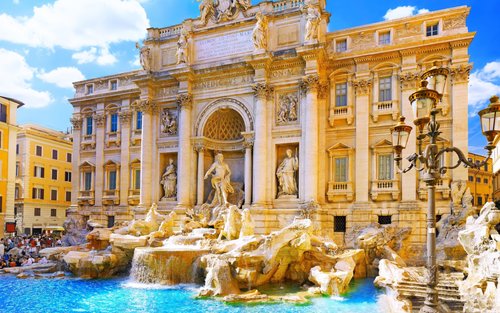
Italy is experiencing an extraordinary open-air travel revolution in 2026, with its stunning beaches, rolling vineyards, and ancient heritage sites attracting a massive global influx of tourists. From the sun-drenched Amalfi Coast to the historic ruins of Rome and the wine-rich hills of Tuscany, travelers are flocking to experience Italy’s unparalleled blend of natural beauty and cultural treasures. This surge reflects a post-pandemic shift toward outdoor experiences, where visitors prioritize fresh air, scenic landscapes, and authentic local encounters. The Italian government and tourism boards have responded by enhancing infrastructure, promoting lesser-known destinations, and implementing crowd-management strategies to ensure a sustainable and enjoyable experience for all. For tourists, this means more opportunities to explore Italy’s diverse regions, but also the need to plan ahead and embrace the vibrant energy of peak-season travel.
However, the record-breaking tourist numbers come with challenges, particularly in iconic hotspots like Rome, Venice, and the Cinque Terre. Recent reports highlight congested piazzas, long queues at major attractions, and soaring prices for basic services. A US tourist’s viral story of being charged €44 for two ice creams in Rome has sparked debate about tourist traps and fair pricing. While such incidents are not the norm, they underscore the importance of staying vigilant and choosing reputable vendors. Despite these hiccups, Italy’s open-air revolution offers countless rewards: sipping Prosecco amid the vineyards of Valdobbiadene, kayaking along the crystal-clear waters of Sardinia, or hiking the ancient paths of the Dolomites. The key is to balance spontaneity with smart planning, especially during the high season that kicks off in June and runs through September.
To truly enjoy Italy in 2026, savvy travelers are venturing beyond the famous cities to discover hidden gems that offer equally breathtaking experiences without the crowds. Regions like Puglia, with its trulli houses and olive groves, or the lesser-known beaches of Calabria, provide authentic Italian charm and value. Agriturismos—working farm stays—are booming, allowing visitors to immerse themselves in rural life, enjoy farm-to-table meals, and explore vineyards and orchards. Meanwhile, Italy’s ancient heritage sites, such as the Etruscan tombs of Cerveteri or the Greek temples of Paestum, remain relatively peaceful compared to the Colosseum or Pompeii. This shift toward slow travel not only enriches the journey but also supports local economies and reduces pressure on overcrowded landmarks. For those determined to see the icons, booking tickets in advance and visiting early morning or late afternoon can make all the difference.
The surge in tourism also brings new opportunities for sustainable travel. Many Italian cities are introducing pedestrian-only zones, limiting cruise ship access, and promoting eco-friendly transport options like bike-sharing and electric scooters. Venice, for instance, has implemented a reservation system for day-trippers, while Florence restricts large tour buses in the historic center. Travelers can contribute by choosing green-certified accommodations, carrying reusable water bottles (Italy’s public fountains provide free, safe drinking water), and respecting local customs and dress codes at religious sites. Additionally, the trend of outdoor dining and open-air markets has expanded, offering fresh, regional cuisine at fair prices—just be sure to check menus for listed prices before ordering. With a little awareness, tourists can avoid pitfalls and fully embrace the magic of Italy’s open-air revolution, from sunset aperitivos on the Riviera to stargazing in the Apennines.
Practical tip: To avoid overpaying, always check the menu price list before ordering at cafes or gelaterias, especially in tourist-heavy areas like Rome’s Piazza Navona or Venice’s St. Mark’s Square. Carry small bills and consider dining a few blocks away from major landmarks for better value and authentic local flavors.