Italy 2026 Travel Alert: Ice Cream Scams & Digital Detox Risks
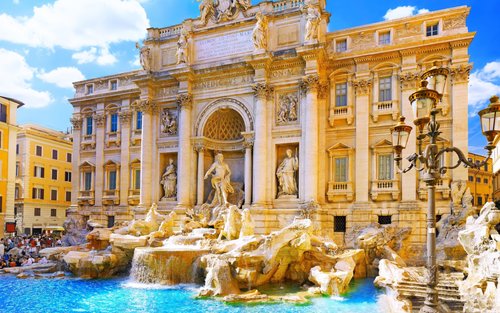
Recent headlines have sent ripples through the travel community, underscoring the need for savvy planning when visiting Italy in 2026. A widely shared story involves an American tourist in Rome who was charged a staggering €44 for two ice creams—a price that shocked even seasoned travelers. The Guardian and Wanted in Rome both reported the incident, where a simple cone at a tourist-heavy café near the Trevi Fountain turned into a budget-busting surprise. While Italy remains a dream destination, this cautionary tale highlights how easily unmarked prices or hidden service charges can catch visitors off guard. As a travel journalist, I urge you to always confirm costs before ordering, especially in high-traffic areas where vendors may rely on impulse buys. The key is not to avoid gelato—Rome’s artisanal scoops are world-class—but to choose wisely and ask upfront.
Beyond the ice cream scandal, another emerging concern for 2026 travelers is the hidden dangers of digital detox travel, as revealed by Travel And Tour World. While unplugging from devices sounds idyllic—especially in Italy’s iconic cities like Florence, Venice, and Rome—it can leave tourists stranded and vulnerable. Without access to maps, ride-sharing apps, or emergency contacts, a simple wrong turn could become a stressful ordeal. Italy’s historic centers, with their narrow alleys and limited signage, can disorient even the most prepared visitor. Moreover, many local services, from museum tickets to train schedules, now require online booking. The article emphasizes that a complete digital detox, while romantic, might compromise safety and convenience. Instead, consider a balanced approach: limit screen time but keep your phone charged and accessible for critical tasks.
To navigate these challenges, travelers should adopt a proactive mindset. For the ice cream trap, the solution is straightforward: look for gelaterias where prices are clearly displayed, and avoid establishments with multilingual menus aimed at tourists. In Rome, family-run shops off the main piazzas often offer superior quality at fair prices—typically €3-5 per cone. Similarly, for digital detox risks, plan ahead. Download offline maps, save key addresses, and inform your hotel of your itinerary. Italy’s public Wi-Fi is improving, but it’s not always reliable, so a local SIM card or portable hotspot can be a lifesaver. The goal is to enjoy Italy’s magic without falling into common pitfalls. Remember, a little preparation goes a long way in preserving the spontaneity that makes travel unforgettable.
Despite these warnings, Italy in 2026 remains an enchanting destination, rich in culture, cuisine, and landscapes. The key is to approach each experience with informed caution. For instance, the same Rome that hosted the €44 ice cream also offers countless affordable trattorias where a full meal costs less. Similarly, the digital detox trend can be embraced safely by setting boundaries—like no phones during meals—while keeping essential tools handy. Italy’s tourism board is also working to improve transparency, with new regulations expected to curb overcharging in tourist hotspots. As a traveler, you can support these efforts by patronizing businesses that display prices clearly and treat customers fairly. Ultimately, the joy of Italy lies in its ability to surprise and delight, and with a bit of street smarts, you can avoid the surprises that sour the experience.
Practical tip: Always ask for a receipt and check the total before paying at any café or restaurant in Italy. For digital detox, carry a physical map and a backup power bank to stay connected in emergencies.