Italy 2026: Record Tourism Boom and Smart Travel Tips for Visitors
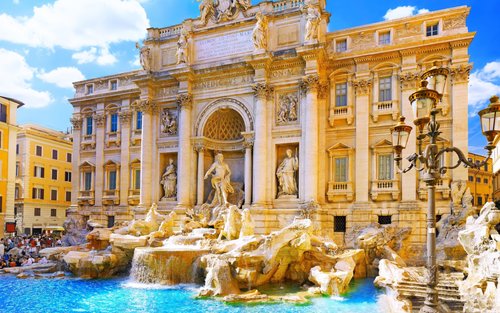
Italy has just closed its most successful tourism year on record, with 2025 welcoming an unprecedented surge in international visitors. According to recent reports, foreign arrivals hit historic highs, and spending by tourists reached new peaks, signaling a robust recovery and expanding appeal. The growth isn’t limited to iconic cities like Rome, Florence, and Venice; lesser-known regions such as Puglia, Umbria, and the Dolomites are drawing increasing numbers of travelers seeking authentic experiences. This shift toward regional exploration is partly driven by savvy tourists looking to avoid overcrowding and high prices in traditional hotspots. For 2026, the trend is expected to accelerate, with Italy investing in infrastructure and sustainable tourism initiatives to accommodate the influx while preserving its cultural and natural treasures. Whether you’re a first-time visitor or a seasoned Italy lover, the country is more welcoming than ever.
Rome remains a top draw, but the Eternal City is also facing challenges that savvy travelers should note. A recent viral story of an American tourist charged €44 for two ice creams near the Trevi Fountain highlights the need for awareness around tourist-trap pricing. While the incident sparked outrage, it also serves as a reminder that not all gelaterias are created equal. Rome’s historic center, especially areas packed with day-trippers, often sees inflated prices for food and drinks. However, the city’s culinary scene is far more rewarding when you step just a few blocks away from the main monuments. Many authentic trattorias and gelato shops offer fair prices and superior quality. For 2026, Rome is introducing clearer menu labeling requirements and expanding pedestrian zones to improve the visitor experience, making it easier to enjoy the city without falling into overpriced pitfalls.
Beyond Rome, the 2026 forecast highlights the growing prominence of Italy’s lesser-known regions. Puglia, with its trulli houses and olive groves, has seen a 30% increase in international bookings, while the Dolomites are attracting hikers and skiers seeking world-class scenery without the crowds of the Alps. Umbria, often called the green heart of Italy, is gaining traction for its medieval hill towns and truffle festivals. Regional airports like Brindisi, Perugia, and Bolzano are expanding routes, making these destinations more accessible. Travelers who venture off the beaten path not only find lower prices but also deeper cultural connections. Local governments are promoting slow travel initiatives, encouraging visitors to stay longer and explore sustainably. For 2026, booking accommodations in these regions well in advance is advisable, as demand is rising rapidly.
To make the most of Italy’s tourism boom in 2026, timing and planning are key. Spring and autumn remain the best seasons for pleasant weather and manageable crowds, especially in popular cities. However, even in peak summer, early morning visits to major attractions can help you avoid long lines and heat. Italy’s high-speed rail network makes it easy to combine multiple destinations in one trip, from Milan to Naples in under three hours. For budget-conscious travelers, dining where locals eat—away from piazzas and main squares—can save significant money. The €44 ice cream story is a cautionary tale: always check prices before ordering, and look for gelaterie that display their product in covered metal tins rather than piled high in colorful mounds, as the latter often indicates artificial ingredients and inflated costs. With a little foresight, your Italian adventure can be both memorable and affordable.
Practical tip: To avoid tourist-trap pricing, always check the menu or price list before ordering at cafés or gelaterias in busy areas. In Rome, look for shops where locals queue—they often offer better quality and fairer prices. Also, carry small bills and coins, as some places may overcharge if you pay with large notes.