Italy in 2026: Record Tourism and Smart Travel Tips for Your Visit
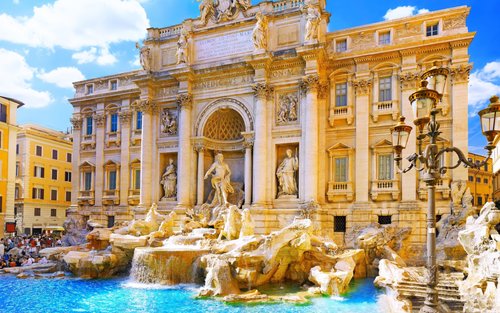
Italy is poised for an extraordinary 2026, building on a banner year that saw historic growth in tourist arrivals and foreign spending. According to recent reports, the country welcomed a record number of international visitors in 2025, with travelers flocking not only to iconic cities like Rome, Florence, and Venice but also to emerging regional destinations such as Puglia, Umbria, and the lesser-known Aeolian Islands. This surge reflects Italy’s enduring appeal—its art, cuisine, and landscapes remain unmatched. For travelers planning a trip in 2026, this means more options than ever, from boutique agriturismos in Tuscany to coastal hideaways in Sardinia. The Italian government has invested in infrastructure to handle the influx, including improved rail links and expanded airport capacities, ensuring that even as numbers rise, the experience remains enchanting. Whether you’re a first-time visitor or a seasoned Italophile, the coming year promises fresh discoveries and timeless pleasures.
However, with great popularity comes familiar challenges, as highlighted by a recent incident in Rome where a US tourist was charged €44 for two ice creams. While such price gouging is not the norm, it serves as a reminder to stay vigilant in high-traffic areas. The good news is that Italy’s tourism boom has also spurred local initiatives to protect visitors, such as clearer menu pricing laws and consumer hotlines. In 2026, travelers can expect even more transparency, with many regions adopting digital price displays and QR codes linking to official rate guides. The key is to choose wisely: skip the overpriced gelato stands near the Trevi Fountain and instead wander a few blocks to a neighborhood gelateria, where a cone of pistachio or stracciatella costs around €3–€5. These small choices not only save money but also lead to more authentic experiences, away from the crowds and into the heart of Italian daily life.
The throngs of tourists overrunning Italian hot spots during peak season are a reality, as recent images from the New York Post show. In 2026, savvy travelers will plan around the crowds. Consider visiting in the shoulder seasons—April to June or September to October—when the weather is still glorious but the queues are shorter. Alternatively, explore the country’s lesser-known gems: the medieval hilltop town of Matera, the baroque beauty of Lecce, or the dramatic cliffs of the Cinque Terre’s less-trodden paths. Italy’s regional destinations are taking center stage, with local governments promoting sustainable tourism through timed entry systems for popular sites like the Uffizi Gallery and the Colosseum. Booking tickets in advance is no longer optional; it’s essential. In 2026, many attractions will offer dynamic pricing, rewarding early birds with lower fees. With a little foresight, you can sidestep the chaos and savor Italy’s magic without feeling rushed or overwhelmed.
Italy’s tourism boom is also a boon for food lovers, as the influx of international visitors has elevated culinary standards across the board. From Michelin-starred restaurants in Milan to family-run trattorias in Sicily, chefs are innovating while honoring tradition. The rise of food tours and cooking classes means you can dive deep into regional specialties—think truffle hunting in Piedmont, olive oil tasting in Umbria, or pasta-making in Bologna. In 2026, expect more farm-to-table experiences as agritourism continues to grow, offering stays where you can harvest your own ingredients. The key to enjoying Italy’s culinary scene without falling into tourist traps is to follow local habits: eat where Italians eat, avoid places with multilingual menus and aggressive hawkers, and always check the price list before ordering. With record foreign spending, the quality of service has improved, but a little caution goes a long way. Embrace the spontaneity of a market lunch or a late-night aperitivo, and you’ll taste the true flavors of Italy.
Practical tip: To avoid overpaying for food and drinks in tourist hotspots, always check the menu’s prices before ordering, and ask for a receipt (ricevuta fiscale) to ensure you’re charged correctly. In 2026, use official tourism apps for real-time crowd updates and book museum tickets at least a week in advance. Carry small bills for cash purchases, as some smaller shops may not accept cards. Finally, learn a few Italian phrases like "Quanto costa?" (How much does it cost?) to navigate transactions with confidence. These simple habits will help you enjoy Italy’s record-breaking tourism year without the stress, leaving you free to savor every unforgettable moment.