Greece Travel 2026: Record Tourism, Scams, and Turkish Visitors
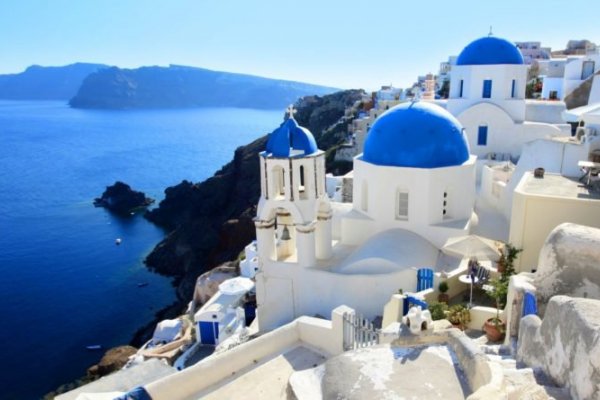
Greece is basking in an unprecedented tourism boom as 2026 shapes up to be a landmark year for the Hellenic Republic. Recent data reveals that the country has shattered previous records, raking in an astonishing €16.7 billion from international visitors, with non-EU tourists leading the charge. This surge is largely driven by travelers from the United States, China, and Australia, who are drawn to Greece’s sun-drenched islands, ancient ruins, and world-renowned hospitality. The Greek government has responded by expanding airport infrastructure and improving ferry connections, making it easier than ever to explore both popular destinations like Santorini and Mykonos and lesser-known gems like Kastellorizo and the Peloponnese. For travelers, this means more flights, better amenities, and a vibrant atmosphere that promises an unforgettable Mediterranean escape.
In an interesting twist, Turkish tourists are flocking to Greece in record numbers this year, even as rising costs have made Greece less affordable for some locals heading to Turkey. According to Euronews, the weak Turkish lira and competitive pricing on Greek islands such as Kos, Rhodes, and Samos have made these destinations irresistible for Turkish travelers seeking a quick getaway. Meanwhile, Greeks who once vacationed in Turkish resorts like Bodrum and Antalya are now staying home or exploring domestic options due to higher prices across the Aegean. This cross-border tourism dynamic is fostering cultural exchange and boosting local economies, particularly in the Dodecanese and the northeastern Aegean islands, where Turkish visitors are welcomed with open arms and multilingual services.
However, amid the celebratory headlines, a cautionary tale has emerged that every traveler should heed. A recent Yahoo Creators report detailed a classic tourist scam in Greece that left one visitor feeling duped and frustrated. The scam typically involves overpriced drinks, fake taxi meters, or friendly locals offering unsolicited directions that lead to commission-heavy shops. While Greece remains one of the safest and most welcoming destinations in Europe, opportunistic scams can tarnish an otherwise perfect trip. The key is to stay vigilant without becoming paranoid. Always confirm prices before ordering, use official taxis or ride-hailing apps, and politely decline unsolicited help from strangers who seem overly eager to guide you to a specific restaurant or store. Awareness is your best defense.
The record-breaking tourism numbers also bring practical considerations for visitors planning a trip to Greece in 2026. With non-EU tourists powering much of the growth, the introduction of the ETIAS travel authorization system (expected to launch later this year) will require travelers from visa-waiver countries to obtain pre-travel clearance. This simple online process is designed to enhance security and streamline entry, so be sure to apply well in advance of your departure. Additionally, book accommodations and ferry tickets early, especially for July and August, as popular islands reach capacity quickly. Consider shoulder seasons like May-June or September-October for lower prices, fewer crowds, and pleasant weather. Greece’s tourism infrastructure is robust, but smart planning ensures a seamless experience.
Practical tip: To avoid common scams, always use licensed taxis (look for the official meter), negotiate prices for boat tours and souvenirs before agreeing, and avoid accepting drinks from strangers in crowded bars. Stick to reputable tour operators for excursions, and keep your valuables secure in busy areas like Plaka in Athens or Parikia on Paros. A little caution goes a long way toward ensuring your Greek holiday remains magical and stress-free.