Greece Travel 2026: Record Tourism Boom and Smart Safety Tips
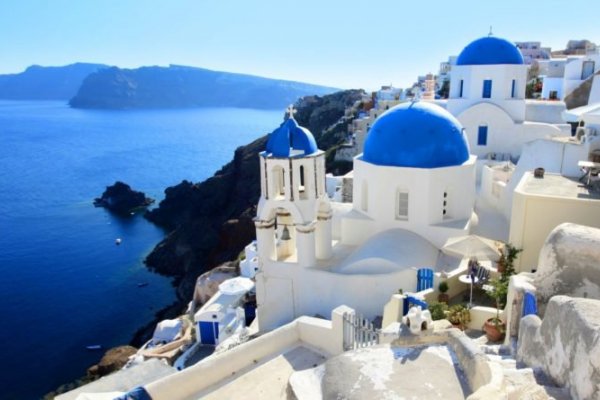
Greece is experiencing an extraordinary travel boom in 2026, with tourism revenues reaching a record-breaking €16.7 billion. According to recent reports from ETIAS.com, non-EU tourists are powering this surge, drawn by Greece’s stunning islands, ancient ruins, and warm hospitality. The country has become a top destination for travelers from the United States, Canada, Australia, and Asia, who are eager to explore iconic sites like the Acropolis, Santorini’s sunsets, and Crete’s pristine beaches. This influx is reshaping the tourism landscape, with airlines adding new routes and hotels expanding to meet demand. For visitors, this means more options than ever, but also a need to plan ahead—especially during peak summer months when crowds and prices soar.
Alongside the boom, a fascinating trend is the rising number of Turkish tourists visiting Greece. Travel And Tour World reports that Turkish travelers are increasingly choosing Greek islands like Rhodes, Kos, and Samos for short getaways, thanks to improved ferry connections and visa facilitation programs. This cross-border travel is fostering cultural exchange and economic benefits for both nations. For Turkish visitors, Greece offers a mix of familiar Mediterranean vibes and unique historical treasures, from Byzantine churches to Ottoman-era architecture. The trend also highlights how Greece is diversifying its visitor base, reducing reliance on traditional Western European markets. Travelers of all nationalities can take advantage of this by exploring lesser-known islands that remain serene even during high season.
However, with great popularity comes the risk of tourist scams, as highlighted by a cautionary tale from Yahoo Creators. A traveler recently shared how they fell for a classic scam in Greece—a seemingly friendly local offered unsolicited help with directions or a taxi, then demanded an exorbitant fee. The victim didn’t realize the deception until later, leaving a sour note on an otherwise magical trip. Common scams include overpriced drinks in touristy areas, fake tour tickets, and taxi drivers who refuse to use the meter. While Greece is generally safe and welcoming, it’s wise to stay vigilant, especially in crowded spots like Plaka in Athens or Mykonos town. Knowledge is your best defense against such pitfalls.
Despite these isolated incidents, Greece remains one of the most rewarding destinations in the world. The record tourism figures are a testament to its enduring appeal—from the crystal-clear waters of the Ionian Sea to the rugged beauty of the Peloponnese. Travelers in 2026 can enjoy improved infrastructure, including upgraded airports and high-speed ferries, making multi-island hopping smoother than ever. Local initiatives are also promoting sustainable tourism, encouraging visitors to support family-run tavernas and small businesses. Whether you’re a history buff, a foodie, or a sun-seeker, Greece offers endless opportunities for discovery. The key is to embrace the journey with an open mind while taking simple precautions to protect your wallet and your peace of mind.
Practical tip: When booking taxis, use official apps like Uber or local services such as TaxiBeat, and always confirm the fare before starting the ride. For tours, purchase tickets only from official websites or accredited kiosks—avoid street vendors offering “discounts.” Keep your valuables secure in crowded areas, and never accept help from strangers who insist on handling your luggage. These small steps will help you enjoy Greece’s record-breaking tourism boom without falling victim to common scams. Remember, a little awareness goes a long way in preserving the magic of your Greek adventure.