Greece Travel 2026: New Routes, Scams, and Smart Tips for Tourists
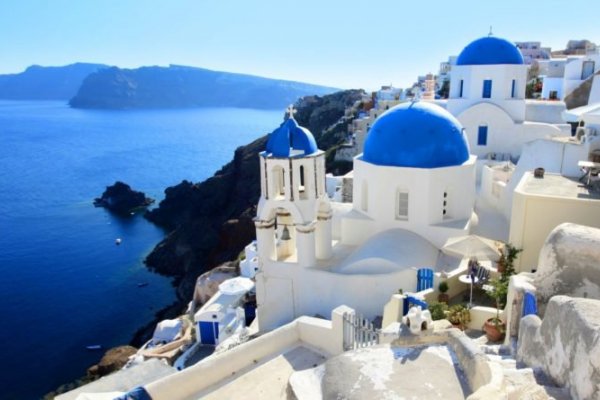
Greece continues to captivate travelers in 2026, and exciting developments are making it easier than ever for Middle Eastern tourists to reach its sun-drenched islands. Kuwait Airways has launched direct flights from Kuwait City to popular Greek summer destinations, including Heraklion in Crete, Rhodes, and Corfu. This new route slashes travel time and eliminates tedious layovers, offering a seamless gateway to the Aegean’s turquoise waters, ancient ruins, and vibrant tavernas. For tourists from the Gulf region, this means spontaneous weekend getaways to Santorini’s caldera or Mykonos’s beaches are now a reality. The service, operating multiple times weekly through the peak season, reflects Greece’s growing appeal as a premier summer destination for a wider global audience. Travelers can expect competitive fares and the airline’s renowned hospitality, making the journey as enjoyable as the destination itself.
However, as Greece welcomes more visitors, some of its most beloved spots are feeling the strain of overtourism. Reports from travel writers highlight that destinations like Santorini, Mykonos, and the Acropolis in Athens are implementing measures to manage crowds, including caps on daily visitors and higher entry fees. In 2026, tourists may encounter reservation-only access to popular beaches and timed tickets for archaeological sites. While these changes aim to preserve the cultural and natural treasures that make Greece special, they also require visitors to plan ahead. The silver lining is that lesser-known gems—such as the Peloponnese’s rugged coastline, the mountainous villages of Zagori, or the serene island of Folegandros—are gaining attention, offering authentic experiences without the crush. Embracing these alternatives can lead to more meaningful travel and support local economies beyond the tourist hubs.
Amid the excitement, a cautionary tale has emerged that every traveler should heed. A recent personal account details a classic tourist scam in Greece: a friendly local offers to guide you to an ‘authentic’ restaurant or shop, only to lead you to an overpriced establishment where the scammer receives a commission. The victim only realized the deception after checking the bill. Common variants include taxi drivers inflating fares, fake ‘official’ tour tickets, and distraction techniques like spilled drinks. While Greece is overwhelmingly safe and welcoming, these incidents remind us that vigilance is key. Always verify prices upfront, use licensed taxis or ride-hailing apps, and politely decline unsolicited offers. A little skepticism can save you money and preserve the magic of your Greek adventure.
On a positive note, Greece is investing heavily in sustainable tourism infrastructure to enhance the visitor experience. New pedestrian zones in historic centers, improved public transport on islands, and eco-friendly accommodations are on the rise. In 2026, travelers will find more electric ferry options, bike-sharing programs in cities like Thessaloniki, and a growing network of hiking trails connecting ancient sites. The country is also promoting off-season travel, with discounts on flights and hotels from October to April, when the weather remains mild and crowds thin out. Culinary tourism is booming too, with farm-to-table experiences, olive oil tastings, and cooking classes in rural villages. These initiatives not only reduce environmental impact but also deepen your connection to Greece’s rich heritage and warm hospitality.
Practical tip: Always confirm taxi fares before getting in—ask for a receipt or use a ride-hailing app. For archaeological sites, book tickets online in advance to skip queues and avoid counterfeit sellers. Keep a copy of your passport and travel insurance details separate from your wallet, and trust your instincts if an offer feels too good to be true.