Greece's Tourism Boom in 2026: What Travelers Need to Know Now
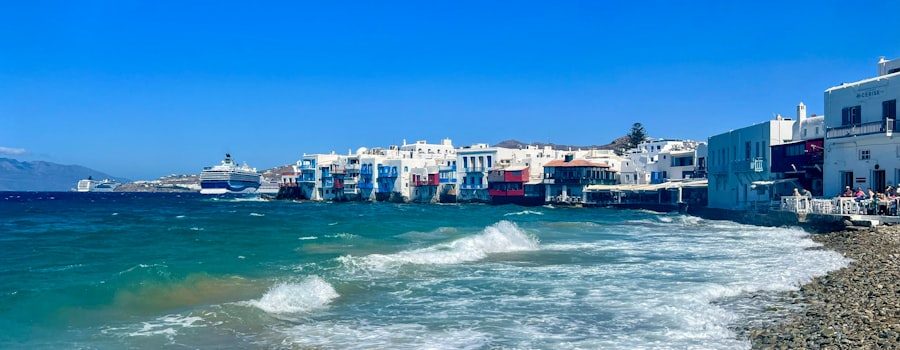
Greece is once again proving its undeniable allure, with the first quarter of 2026 marking an extraordinary surge in its tourism sector. A staggering 3.4 million visitors flocked to its shores, accompanied by an impressive 64.3% increase in tourism revenue compared to the previous year. This robust performance places Greece at the forefront of Europe's resilient tourism landscape, attracting a diverse range of travellers, including a significant influx of discerning American tourists whose demand for unique and quality experiences is notably high. For those planning a Greek getaway in 2026, these numbers signal a vibrant, bustling destination, rich with opportunities for memorable experiences, but also one where popular spots will likely see considerable activity. Importantly, this boom is being met with proactive measures, as Greece has unveiled a new framework to curb overtourism and protect its precious natural and cultural heritage, ensuring a more sustainable future for its cherished islands and historical sites. This strategic move is excellent news for conscientious travellers, promising a more managed and authentic experience for everyone involved, safeguarding the very charm that draws millions.
Greece's enduring appeal is deeply rooted in its profound historical legacy and breathtaking natural beauty. As the cradle of Western civilization, its ancient ruins, from the majestic Acropolis to the oracle at Delphi, have beckoned curious minds for millennia. Beyond its archaeological wonders, Greece boasts an unparalleled coastline with thousands of islands, each offering unique charm – from the iconic whitewashed villages of the Cyclades to the lush, green landscapes of the Ionian Sea. In recent decades, Greece has adeptly leveraged this intrinsic appeal, evolving from a summer sun-and-sea destination to a year-round cultural and gastronomic hub. Post-pandemic, its tourism sector demonstrated remarkable resilience and an accelerated growth trajectory, culminating in the current 2026 boom. However, this success has also brought the perennial challenge of managing high visitor numbers, particularly in fragile environments. The nation's foresight in developing an overtourism framework is a direct response to this historical tension, aiming to preserve the very essence that makes Greece a timeless draw.
For travellers heading to Greece in 2026, the current tourism surge means several key considerations. Firstly, high demand translates into the absolute necessity of booking flights, accommodation, and popular excursions well in advance, particularly if your plans coincide with the peak summer months or major holidays. Iconic destinations like Santorini, Mykonos, or the ancient sites in Athens will undoubtedly be vibrant, though potentially more crowded than in quieter years. Secondly, the rise in visitor spending, especially from "more demanding" tourists, indicates a growing market for premium and bespoke experiences. This suggests an expanding array of high-quality services and amenities, from luxury boutique hotels to gourmet dining and exclusive tours, catering to those seeking enhanced comfort and authenticity. Lastly, the implementation of Greece's new overtourism framework means visitors should expect and embrace potential changes. These could include designated entry times for sensitive archaeological sites, limits on daily visitor numbers to certain islands or beaches, or new codes of conduct designed to protect local environments. These measures, while possibly requiring a little extra planning, ultimately ensure a more sustainable and high-quality experience for all.
To truly savour Greece in 2026, consider diversifying your itinerary beyond the well-trodden paths. While the caldera views of Santorini and the vibrant nightlife of Mykonos are iconic for a reason, exploring lesser-known gems can offer equally rewarding, and often more serene, experiences. For island hopping, look to the Small Cyclades like Koufonisia, or islands known for their unique character such as Folegandros with its dramatic cliffs, or Milos, famed for its stunning volcanic beaches. On the mainland, the Peloponnese peninsula offers a rich tapestry of history, from ancient Olympia and Mycenae to Byzantine castles, alongside beautiful coastlines and olive groves. Northern Greece, with cities like Thessaloniki and the natural beauty of Halkidiki, presents a different facet of Greek culture and landscape. Embrace the shoulder seasons (May, early June, September, October) for fewer crowds, milder weather, and often better value. Engage with local communities through agritourism initiatives, cooking classes, or traditional village stays to gain deeper insights into authentic Greek life. Opt for multi-island or mainland-island trips to spread your footprint and discover diverse regions.
Good to know. Practical tip: To truly experience Greece in 2026 and contribute positively, embrace the spirit of sustainable travel. Be mindful of new regulations designed to protect fragile ecosystems and cultural sites. Before your trip, research specific island or site policies, such as booking slots for popular attractions, entry limits to certain beaches, or new codes of conduct. Support local businesses by dining at family-run tavernas and purchasing locally made products. Minimise your environmental footprint by conserving water, reducing plastic use, and sticking to marked paths in natural areas. Furthermore, consider visiting during the shoulder seasons (May, early June, September, October) not only to avoid peak crowds and often enjoy better prices but also for more authentic interactions with locals. Booking all accommodation, major transport, and key attractions well in advance, particularly for popular destinations, is also paramount to secure your preferred choices and potentially better rates, ensuring a smoother and more enjoyable journey in this booming destination.