Greece 2026 Travel Guide: Scams, Water Shortages & Turkish Tourist Boom
As Greece gears up for another bustling summer season in 2026, travelers are being urged to stay informed about a trio of emerging trends that could impact their holidays. The idyllic island of Karpathos has declared a water emergency ahead of peak tourist months, raising concerns about resource management on smaller islands. Meanwhile, a surge in Turkish tourists—drawn by favorable exchange rates and high costs at home—is reshaping the visitor demographic, particularly on eastern Aegean islands like Rhodes and Kos. For the savvy traveler, understanding these shifts is key to planning a seamless Greek getaway. The good news is that Greece remains one of the world's most welcoming destinations, with its timeless blend of ancient ruins, crystalline seas, and warm philoxenia (hospitality) still very much intact. By staying alert and flexible, you can navigate these challenges and enjoy everything from Santorini sunsets to Crete's rugged gorges without a hitch.
First, the water crisis on Karpathos demands attention. Local authorities have declared an emergency as reservoirs run low, partly due to a dry winter and soaring demand from summer visitors. Hotels and villas are being asked to conserve water, and tourists may experience occasional restrictions on pool use or laundry services. This doesn't mean you should cancel your trip—Karpathos, with its dramatic cliffs and traditional villages like Olympos, is still a dream destination. Instead, pack a reusable water bottle, take shorter showers, and support eco-conscious accommodations. The island's charm lies in its authenticity, and being a responsible traveler helps preserve it. Officials are working on long-term solutions like desalination plants, but for 2026, your mindfulness can make a real difference. Think of it as a chance to travel lighter and connect more deeply with the local culture.
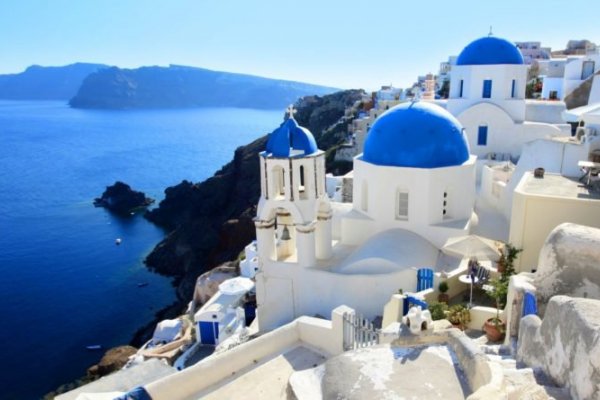
Second, a cautionary tale about scams has emerged, reminding tourists to keep their wits about them. A recent report detailed a classic ruse where a friendly local offered to help with an ATM, only to skim the card and drain the account. In Greece, common scams include overpriced taxis, fake tour guides at ancient sites, and restaurant bills with mysterious extra charges. The key is to trust your instincts—if a deal seems too good to be true, it probably is. Always use official taxis with meters, book tours through reputable agencies, and check your bill carefully. Yet don't let this tarnish your view of Greeks; the vast majority are honest and eager to share their heritage. A little vigilance goes a long way, allowing you to focus on the magic of Athens' Acropolis or the blue-domed churches of Oia without worry.
Third, the influx of Turkish tourists is a fascinating twist in Greece's travel narrative. With the Turkish lira weakening and prices soaring in Turkey's own resorts, many Turks are crossing the Aegean for affordable getaways on Greek islands. This has created a vibrant cultural exchange, with Turkish flavors and music blending into local festivals. For international tourists, this means more diverse dining options and a chance to meet travelers from a neighboring culture. It also means popular spots like Samos and Lesvos may feel busier, so consider booking early or exploring lesser-known islands like Ikaria or Chios. The Greek tourism board is embracing this trend, highlighting shared history and culinary traditions. Ultimately, this cross-border flow enriches the experience, turning a simple beach holiday into a lesson in Mediterranean camaraderie.
Practical tip: Book accommodations with free cancellation and check local water advisories for islands like Karpathos. Use official ATMs inside banks, never on the street, and always cover the keypad when entering your PIN. For the best ferry deals, book through Greek ferry aggregators like Ferryhopper, and pack a reusable water bottle to stay hydrated and eco-friendly.