Greece 2026 Travel Guide: Scams, Water Crisis & Turkish Tourists
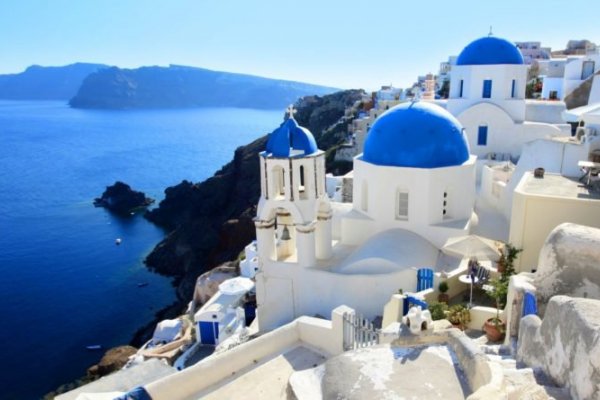
Greece remains one of the world’s most beloved travel destinations, and 2026 is shaping up to be a fascinating year for visitors. Recent news has highlighted three key trends that savvy travelers should know about: a classic tourist scam that’s catching people off guard, a water emergency on the island of Karpathos, and a notable shift in visitor demographics as Turkish tourists flock to Greek islands while rising costs keep some Greeks at home. Despite these challenges, Greece’s timeless appeal—from sun-drenched beaches to ancient ruins—remains undimmed. With a little preparation, you can navigate these developments and enjoy an unforgettable Mediterranean adventure. Here’s what you need to know before you go.
First, let’s talk about the scam. A recent first-person account on Yahoo Creators detailed how a traveler fell for a classic tourist scam in Greece, only realizing it was too late. The scam often involves overly friendly locals offering unsolicited help—like directions or a drink invitation—then demanding exorbitant payment. Common variants include the "bracelet scam" where someone ties a string on your wrist and insists you pay, or taxi drivers who take circuitous routes. The best defense is polite but firm refusal of any unrequested assistance, and always agreeing on taxi fares upfront. While such incidents are rare, they can sour a trip. Stay alert but not paranoid; most Greeks are genuinely warm and helpful.
On a different note, Euronews reports a surge in Turkish tourists visiting Greek islands, driven by favorable exchange rates and visa-easy access to islands like Rhodes, Kos, and Samos. This trend has created a lively cross-cultural atmosphere, with Turkish visitors enjoying Greek cuisine, beaches, and historical sites. Meanwhile, rising costs in Turkey have made domestic travel less attractive, prompting this shift. For international tourists, this means more diverse encounters and potentially busier spots during peak season. Embrace the multicultural vibe—it’s a unique chance to see two rich cultures mingling. Just book accommodations early, especially for ferry routes popular with Turkish day-trippers.
However, a water emergency on Karpathos has raised concerns. Travel And Tour World reports that ahead of peak summer 2026, the island declared a water shortage, urging tourists to conserve. This affects everything from showering to pool use, and hotels may limit water availability. Visitors to Karpathos should pack reusable bottles, take short showers, and respect local requests to reduce usage. The island’s stunning beaches and hiking trails are still open, but the situation underscores the broader water challenges facing many Greek islands due to climate change and overtourism. If you’re planning a trip there, consider traveling in shoulder season (May or September) when demand is lower and water supplies are more stable.
Practical tip: To avoid scams, never accept unsolicited gifts or help from strangers on the street; if someone insists, firmly say “Ochi, efharisto” (No, thank you) and walk away. For Karpathos, bring a collapsible water bottle and confirm your accommodation’s water conservation policy before booking. Finally, embrace the Turkish traveler boom by exploring lesser-known islands like Symi or Patmos for a quieter experience. With these precautions, your 2026 Greek odyssey will be as magical as ever—full of sun, sea, and genuine hospitality.