Greece 2026 Travel Guide: Scams, Water Crisis & Tourist Trends
Planning a trip to Greece in 2026 promises sun-drenched islands, ancient ruins, and warm hospitality, but a few recent developments require your attention. A widely shared personal account from Yahoo Creators reveals a classic tourist scam that left a traveler feeling cheated and embarrassed. The scam typically involves a friendly local offering unsolicited help—like guiding you to an ATM or recommending a “special” restaurant—then pressuring you for an inflated fee or even skimming your card. While Greece remains one of Europe’s safest destinations, awareness is key. Always use official taxis, avoid accepting help from strangers near ATMs, and verify prices before agreeing to any service. With a little caution, you can focus on the magic of Greece without falling into common traps.
Meanwhile, a fascinating shift is reshaping tourism flows between Greece and Turkey. According to Euronews, Turkish tourists are flocking to Greek islands in record numbers, while rising costs in Greece have made Turkish resorts less appealing for Greeks. This trend is driven by favorable exchange rates, improved ferry connections, and competitive package deals from Turkish travel agencies. For international visitors, this means you’ll encounter more Turkish-language menus and bilingual staff on islands like Rhodes, Kos, and Samos, adding a delightful cross-cultural layer to your holiday. The influx also keeps prices competitive, especially for accommodation and dining in peak season. Embrace the diversity—it’s a reminder that the Aegean is a shared sea of friendship and discovery.
On a more urgent note, the island of Karpathos has declared a water emergency ahead of the peak summer season, as reported by Travel And Tour World. This stunning Dodecanese island, known for its rugged beauty and traditional villages, faces severe drought conditions that could affect daily life for residents and visitors alike. Tourists are advised to conserve water—take shorter showers, reuse towels, and avoid wasteful activities like filling pools or washing cars. Local authorities are implementing rationing measures, so you may experience intermittent water supply in some areas. Despite this challenge, Karpathos remains a breathtaking destination; just pack a reusable bottle and a flexible attitude. Supporting eco-conscious accommodations helps the island sustain its charm for years to come.
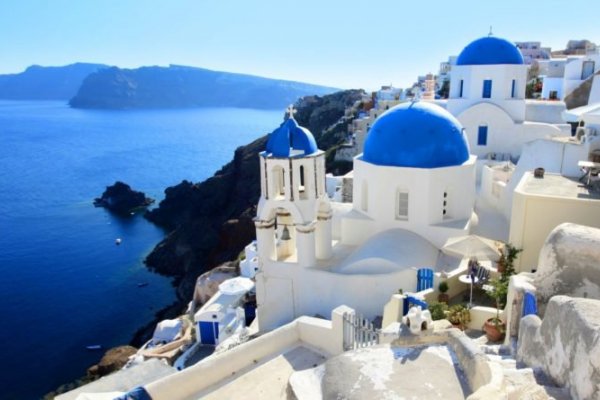
Beyond these headlines, Greece continues to enchant travelers with its timeless allure. The 2026 season sees new direct flights from North America and Asia, improved rail connections between Athens and Thessaloniki, and a growing network of sustainable tourism initiatives. Many islands are banning single-use plastics and promoting off-grid adventures like hiking, sailing, and farm-to-table dining. Whether you’re exploring the whitewashed alleys of Santorini, hiking the Samaria Gorge in Crete, or island-hopping the Cyclades, the core experience remains authentic and welcoming. Locals are eager to share their culture, from traditional music festivals to olive oil tastings. By staying informed and respectful, you’ll not only avoid pitfalls but also forge deeper connections with this ancient land.
Practical tip: Before booking, check official travel advisories for water restrictions on Karpathos and always use licensed taxis or ride-hailing apps to avoid scams. Carry a refillable water bottle and a small amount of cash for remote areas. With these simple precautions, your Greek adventure will be safe, sustainable, and unforgettable.