Greece 2026 Travel Guide: Heatwaves, Scams & Water Crisis Tips
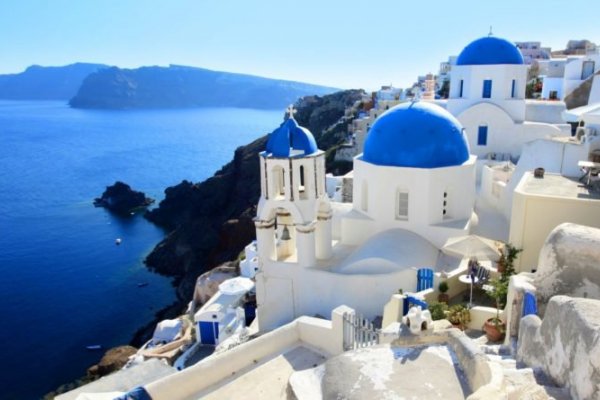
As Greece gears up for another bustling summer season in 2026, travelers need to be aware of emerging challenges that could impact their island-hopping dreams. The idyllic island of Karpathos has declared a water emergency ahead of peak tourist months, raising concerns about water shortages and rationing. Local authorities are urging visitors to conserve water, avoid long showers, and report leaks immediately. Hotels and resorts are implementing strict usage policies, and some may even limit pool filling. While this doesn't mean you should cancel your trip, it does call for mindful preparation—pack a reusable water bottle, consider staying at eco-conscious accommodations, and always check with your host about current restrictions. The situation underscores a broader Mediterranean trend: climate change is reshaping how we travel, and Greece is on the front line.
Meanwhile, Greece is facing intensifying summer heatwaves that are literally redrawing the tourist map. Temperatures in popular destinations like Athens, Santorini, and Crete have soared past 40°C (104°F) in recent years, prompting travelers to shift their holidays toward cooler months or higher-altitude villages. The Greek government has responded by extending the tourist season from April to November, promoting lesser-known northern regions, and investing in shaded public spaces and cooling stations. For 2026, savvy travelers should plan sightseeing for early mornings or late evenings, stay hydrated, and never underestimate the power of a siesta. The heat is also driving a surge in demand for coastal escapes with sea breezes, making islands like Naxos and Paros even more attractive than their sun-baked neighbors.
Beyond environmental concerns, a classic tourist scam has been making headlines and catching visitors off guard. The scam typically involves a friendly local approaching you at a café or square, offering to take you to a "hidden gem" restaurant or shop—only for you to receive an inflated bill or pressured into buying overpriced goods. Another variation: someone spills something on you, then offers to help clean it while an accomplice lifts your wallet. These incidents are rare but can ruin a vacation. To stay safe, always politely decline unsolicited offers, use official taxis or ride-hailing apps, and never leave your belongings unattended. Trust your instincts—if a deal feels too good to be true, it probably is. Greece remains one of the safest countries in Europe, but a little vigilance goes a long way.
Despite these challenges, Greece's allure in 2026 is stronger than ever. The country is investing heavily in sustainable tourism, with new ferry routes reducing overcrowding on popular islands, and initiatives to protect natural resources like water and beaches. Travelers can contribute by choosing eco-certified hotels, eating at local tavernas that source ingredients seasonally, and exploring off-the-beaten-path destinations such as the Pelion peninsula or the island of Folegandros. The Greek people are renowned for their hospitality, and the food, history, and landscapes remain world-class. By staying informed and flexible, you can still enjoy a magical Mediterranean summer—just with a bit more planning and a lot more sunscreen.
Practical tip: Before booking your 2026 Greek holiday, check the official Greek National Tourism Organization website for real-time heatwave alerts and water advisories. Consider travel insurance that covers weather-related cancellations, and download offline maps to avoid relying on roaming data in remote areas. A little foresight ensures your Greek adventure stays unforgettable for all the right reasons.