Greece 2026 Travel Guide: Navigating Crowds and Scams with Confidence
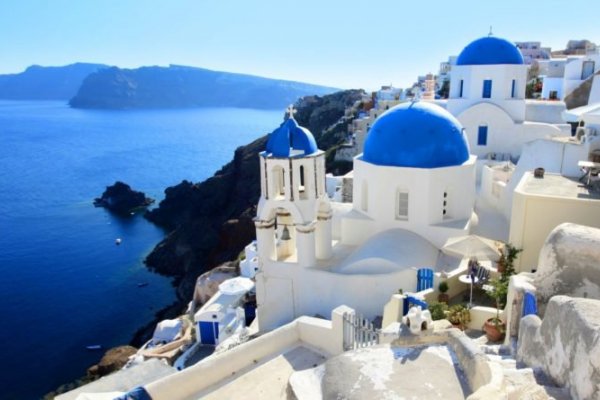
Greece remains one of the world’s most beloved travel destinations, but recent headlines reveal a shifting landscape for 2026. Popular spots like Santorini, Mykonos, and the Acropolis are grappling with overtourism, leading to new restrictions and a growing fatigue among locals. According to a recent article by Travel Writers – Creators Syndicate, many iconic Greek sites are implementing visitor caps, higher entry fees, and even quiet hours to protect their cultural heritage and quality of life. While this might sound daunting, it actually presents an opportunity for savvy travelers to explore Greece more thoughtfully. By planning ahead, visiting during shoulder seasons, and venturing beyond the famous islands, you can still experience the magic of Greece without contributing to the crowds. The key is to embrace sustainable travel practices and respect local communities, ensuring that your visit leaves a positive impact.
At the same time, a cautionary tale from Yahoo Creators reminds us that scams targeting tourists remain a concern. The article recounts a traveler falling for a classic scam in Greece—a friendly local offering an overpriced service or a rigged taxi meter—and realizing it only after it was too late. Common schemes include fake tour guides, overcharging at tavernas with no menu prices, and distraction thefts in crowded areas. However, with awareness, these risks are easily avoidable. Stick to licensed guides, always confirm prices upfront, and keep valuables secure. The Greek people are overwhelmingly warm and honest, but like any popular destination, a small number of individuals exploit the tourist influx. By staying vigilant and using common sense, you can protect yourself while still enjoying the genuine hospitality Greece is famous for.
Interestingly, 2026 is also seeing a shift in regional travel dynamics, as reported by Euronews.com. Turkish tourists are flocking to Greece in record numbers, driven by rising costs in Turkey that make Greek islands like Rhodes, Kos, and Samos more affordable for them. Conversely, Greeks are increasingly avoiding Turkey for the same reason. This exchange is fostering a unique cultural cross-pollination, with Turkish visitors bringing their own culinary and shopping traditions to Greek shores. For international tourists, this means more diverse food options, bustling markets, and a chance to witness a friendly rivalry turned into mutual appreciation. It also highlights the importance of booking accommodations and ferry tickets well in advance, as demand from both Turkish and European travelers is pushing summer prices higher. Early planning is your best friend.
To make the most of Greece in 2026, focus on lesser-known gems that offer equally stunning experiences without the crush. Consider the Peloponnese peninsula, with its ancient ruins and seaside towns like Nafplio and Monemvasia; the island of Naxos, which combines beautiful beaches with traditional villages; or the mountainous region of Zagori, where stone bridges and hiking trails await. These areas are actively welcoming tourists and provide a more authentic slice of Greek life. Additionally, many are investing in eco-friendly initiatives, such as limiting single-use plastics and promoting local crafts. By choosing these destinations, you not only avoid the stress of overcrowding but also support communities that rely on tourism in a balanced way. The result is a richer, more meaningful journey that aligns with the values of modern responsible travel.
Practical tip: Always confirm taxi fares before starting your ride, use official tour operators, and carry small denominations to avoid overcharging. For popular attractions, book tickets online in advance to bypass long queues and secure a spot. Lastly, consider visiting during May or September for pleasant weather and thinner crowds.