Greece 2026 Travel Boom: Record Tourism and Smart Tips for Tourists
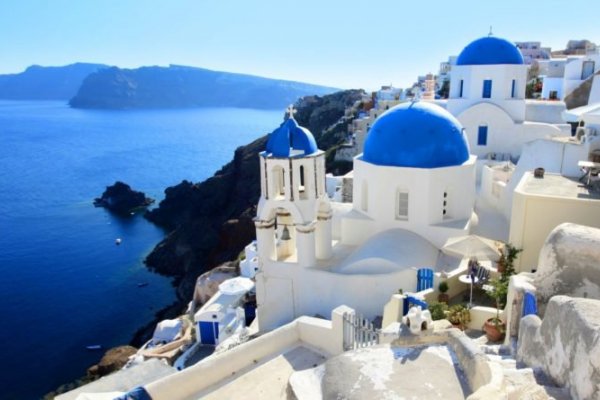
Greece is experiencing an unprecedented tourism surge in early 2026, with arrivals and revenue hitting record highs. According to recent reports, the country’s travel sector has generated €16.7 billion, fueled largely by visitors from outside the European Union, including Australia, China, and Canada. The influx has been especially strong in popular destinations like Santorini, Mykonos, and Crete, where hotels and airlines report near-full capacity through spring. This boom underscores Greece’s enduring appeal as a top Mediterranean destination, offering a blend of ancient history, stunning beaches, and vibrant culture. For travelers, this means more options for flights and accommodations, but also higher demand—so early planning is essential to secure the best experiences at reasonable prices.
The surge is partly driven by the introduction of the European Travel Information and Authorisation System (ETIAS), which has streamlined entry for non-EU tourists, making Greece more accessible than ever. Non-EU travelers now account for a significant share of the record-breaking €16.7 billion in travel revenue, with many drawn by Greece’s improved infrastructure and new direct flight routes from Asia and the Americas. While the overall numbers are soaring, the Pappas Post reports a notable drop in American summer bookings, with some U.S. tourists rethinking their plans due to rising costs and crowded hotspots. However, this shift creates opportunities for savvy travelers to explore lesser-known Greek islands and mainland gems, where authentic experiences await without the peak-season crush.
Despite the dip in American bookings, Greece remains a top choice for global adventurers, with the early 2026 data pointing to a resilient and dynamic tourism sector. The record revenue is a testament to Greece’s successful marketing campaigns and investments in sustainable tourism, from eco-friendly accommodations to improved public transport on islands. For tourists, this means a richer travel experience: think farm-to-table dining in Crete, hiking the Vikos Gorge without the crowds, or sailing the Ionian Sea with fewer yachts. The key is to embrace flexibility—consider visiting in late spring or early fall, when weather is still glorious and prices are lower. Local festivals, such as the Athens Epidaurus Festival, also offer cultural depth that mass tourism often misses.
If you’re planning a trip to Greece in 2026, now is the time to book, especially for non-EU travelers who benefit from ETIAS’s smoother entry. The surge in arrivals means that popular sites like the Acropolis and Delphi may require advance tickets, but the payoff is access to a country buzzing with energy and innovation. New boutique hotels in Thessaloniki and upscale glamping sites in the Peloponnese are catering to diverse tastes, while traditional tavernas remain the heart of Greek hospitality. For American tourists reconsidering their summer plans, consider shoulder-season visits to spots like Nafplio or Milos, where you can enjoy the same crystal-clear waters and ancient ruins at a more relaxed pace. The Greek government is also promoting lesser-known regions, such as Epirus and the Dodecanese, to spread tourism benefits more evenly.
Practical tip: For a quieter 2026 Greek adventure, book your trip for May or September, and use ETIAS to breeze through entry. Focus on islands like Folegandros or Naxos instead of Santorini—they offer stunning beauty without the crowds. Always reserve key accommodation and ferry tickets at least three months ahead, as early demand is already spiking.