Greece 2026 Travel Boom: Record Revenue and New Trends for Tourists
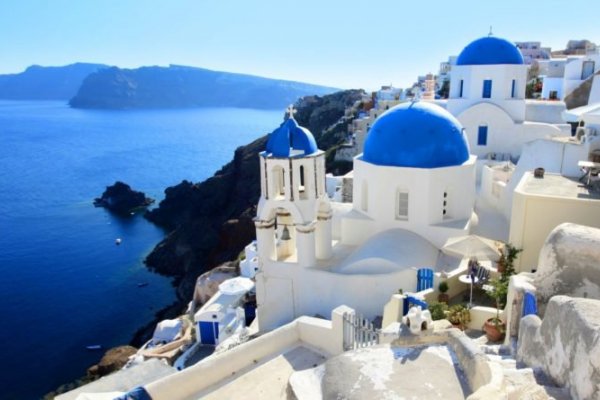
Greece is enjoying an extraordinary tourism renaissance in 2026, with early-year data revealing a surge in both arrivals and revenue that has industry experts buzzing. According to Euronews, the country’s tourism sector is off to a blistering start, fueled by a combination of pent-up demand, expanded flight routes, and a growing reputation as a year-round destination. The Greek government’s strategic investments in infrastructure and sustainable tourism initiatives are paying off, drawing visitors from across the globe eager to explore ancient ruins, idyllic islands, and vibrant cities. For travelers, this means more options than ever, from boutique hotels in Santorini to eco-friendly resorts in Crete, all set against the backdrop of crystalline seas and legendary hospitality. The atmosphere is electric, and the message is clear: Greece in 2026 is not just a vacation—it’s an experience that rewards early planning and adventurous spirits.
A significant driver of this boom is the influx of non-EU tourists, who are powering what ETIAS.com calls a record €16.7 billion travel windfall. Travelers from the United States, Canada, Australia, and Asia are flocking to Greece, drawn by favorable exchange rates, streamlined visa processes through the upcoming ETIAS system, and a wealth of cultural and culinary offerings. This shift has diversified the visitor base, reducing reliance on traditional European markets and injecting fresh energy into local economies. Small businesses in lesser-known regions, such as the Peloponnese and the Ionian Islands, are thriving as tourists seek authentic experiences beyond the crowded Cyclades. The surge has also spurred investment in new hotels, restaurants, and transport links, making it easier for everyone to explore Greece’s hidden gems. For the savvy traveler, this diversity means richer interactions and a chance to see a country that is both timeless and rapidly evolving.
However, not all trends are uniform. The Pappas Post reports a sharp drop in American summer bookings, prompting some to question whether U.S. travelers are rethinking Greece. The decline appears linked to rising airfares, economic uncertainty at home, and a shift toward shoulder-season travel to avoid peak crowds and heat. While this might sound concerning, it actually opens up opportunities for those who do visit. Fewer Americans in peak months means less competition for coveted tables at cliffside tavernas and quieter beaches in August. Meanwhile, European and Asian visitors are filling the gap, ensuring that the islands remain lively but not overwhelming. This recalibration is a natural part of Greece’s maturation as a global destination, and it encourages a more thoughtful approach to travel planning. For tourists, the key takeaway is to embrace flexibility—consider visiting in May, June, or September for the best balance of weather, prices, and space.
The record-breaking numbers are also reshaping how travelers experience Greece. With 2026 on track to surpass previous highs, the tourism board is promoting off-the-beaten-path destinations like the rugged Mani Peninsula, the forested island of Thasos, and the wine-rich region of Nemea. These areas offer a respite from the iconic but crowded spots like Mykonos and Oia, and they showcase Greece’s incredible diversity. Local guides are reporting a surge in interest for hiking, sailing, and cooking classes, as visitors seek immersive activities over passive sightseeing. The government has also launched new digital tools to help tourists navigate lesser-known attractions, including a mobile app with real-time crowd data and eco-certified accommodations. This shift toward sustainable, experience-driven travel aligns with global trends and ensures that Greece’s natural and cultural treasures remain protected for generations. For the modern explorer, there has never been a better time to dive deeper into this Mediterranean jewel.
Practical tip: Book flights and accommodations for late spring or early autumn to avoid summer crowds and high prices, and consider lesser-known islands like Folegandros or Alonissos for a more authentic Greek experience.