Greece in 2026: Navigating Crowds, Scams, and Sustainable Tourism
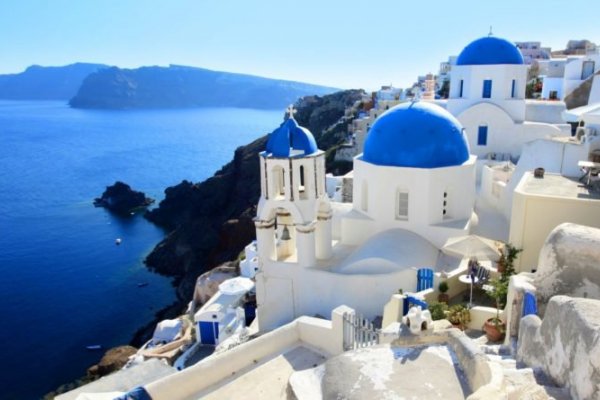
Greece remains one of the world’s most beloved travel destinations, and 2026 promises to be another vibrant year for the Hellenic Republic. With its sun-drenched islands, ancient ruins, and warm hospitality, the country attracts millions of visitors annually. However, recent reports highlight that popular spots like Santorini, Mykonos, and Athens are experiencing significant overcrowding, especially during peak summer months. Travelers should plan ahead by booking accommodations and ferry tickets well in advance, and consider visiting lesser-known gems such as Milos, Naxos, or the Peloponnese peninsula. The Greek government is also introducing new infrastructure projects and digital crowd-monitoring systems to ease congestion, ensuring a smoother experience for everyone. By choosing shoulder seasons like May, June, or September, you can enjoy the same stunning scenery with far fewer tourists and more reasonable prices.
A growing concern for tourists in Greece is the rise of classic scams targeting unsuspecting visitors. Recent news from Yahoo Creators detailed a traveler who fell for a common scheme—often involving overpriced taxis, fake tour operators, or the infamous 'spilled drink' distraction at busy squares. These scams typically occur in high-traffic areas like Monastiraki in Athens or along the waterfront in Rhodes Old Town. To protect yourself, always use official taxi apps like Beat or Uber, book tours through reputable companies, and keep your valuables secure. If someone offers unsolicited help, such as carrying your luggage or guiding you to a 'special' restaurant, politely decline. Awareness is your best defense. The good news is that local police have stepped up patrols in tourist hubs, and many businesses now display official certification logos to help you make informed choices.
The Greek tourism industry is undergoing a significant transformation in 2026, driven by new tax policies and infrastructure investments. According to tourism-review.com, the government has introduced a revised overnight stay tax and increased fees for cruise ship passengers to fund upgrades to ports, roads, and public services. While these changes may slightly raise travel costs, they directly benefit visitors by improving transportation, waste management, and beach maintenance. For instance, new high-speed ferries are being added to connect the mainland with islands, reducing travel times and carbon emissions. Additionally, many hotels and tour operators are adopting eco-certifications, offering travelers greener options. This shift ensures that Greece remains a top-tier destination without compromising its natural beauty. Travelers who support these sustainable initiatives will enjoy cleaner beaches, better facilities, and a more responsible travel experience.
Overcrowding in Greece is part of a global trend, with Thailand, Turkey, China, Italy, and the USA also topping lists of the most congested tourist hotspots. A recent Travel And Tour World update noted that millions flock to iconic sites like the Acropolis and the Palace of Knossos each year, straining local infrastructure and diminishing the visitor experience. To beat the crowds, experts recommend arriving at major attractions early in the morning or late in the afternoon, and booking skip-the-line tickets online. Another smart strategy is to explore alternative destinations such as the less-visited island of Folegandros, the mountainous Zagori region, or the archaeological site of Delphi, which offers profound historical insights without the queues. By spreading tourism geographically, visitors can help reduce pressure on overtaxed areas while discovering Greece’s hidden treasures. The country’s diverse landscape—from volcanic beaches to lush forests—means there’s always a quiet spot waiting to be explored.
Practical tip: To avoid scams and crowds in Greece in 2026, always use official transport apps, book skip-the-line tickets in advance, and explore lesser-known islands like Folegandros or Milos. Travel during shoulder seasons (May, June, September) for lower prices and fewer tourists, and support eco-certified businesses for a sustainable trip.