Greece 2026: Record Tourism, New Taxes, and Smarter Travel Tips
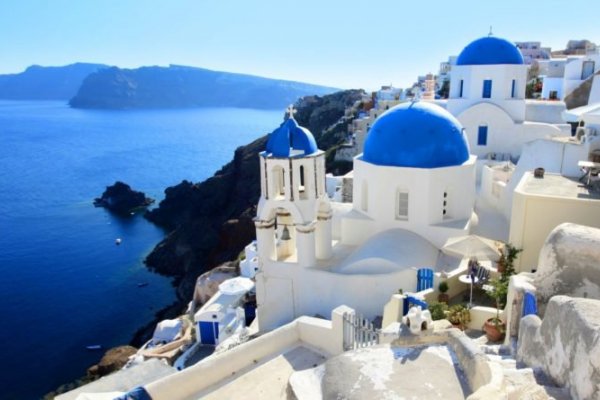
Greece is experiencing an unprecedented tourism boom in 2026, with arrivals and revenue surging to new heights. According to recent reports from Euronews, early 2026 data shows a significant increase in both tourist numbers and spending, signaling a robust recovery and growing global appetite for Greek destinations. Islands like Santorini, Mykonos, and Crete remain top draws, but lesser-known gems such as Milos and Naxos are also seeing rising interest. The influx is driven by improved flight connectivity, extended summer seasons, and Greece’s enduring appeal for culture, cuisine, and coastline. For travelers, this means more crowds at iconic spots, but also more options for unique experiences away from the beaten path. The Greek government is investing in infrastructure upgrades, including port expansions and airport renovations, to accommodate the surge while preserving the country’s charm. This positive momentum underscores Greece’s position as a leading Mediterranean destination, but it also calls for thoughtful planning to make the most of your visit.
New taxes and regulations are reshaping the tourist landscape in Greece this year, as reported by tourism-review.com. A revised accommodation tax now applies to hotels, villas, and short-term rentals, with rates varying by property type and location. Additionally, a climate resilience fee has been introduced to fund environmental protection and infrastructure projects. These measures aim to balance tourism growth with sustainability, ensuring that Greece’s natural and cultural treasures endure for future generations. While these costs are generally modest—often just a few euros per night—they can add up for longer stays. Travelers should factor them into their budgets and check with their accommodations for exact amounts. The revenue generated is being channeled into upgrading water systems, waste management, and public transport on popular islands, directly benefiting visitors. Overall, these changes reflect a responsible approach to tourism that prioritizes long-term well-being over short-term gains, a trend increasingly seen across Europe.
Local perspectives offer invaluable insights for anyone planning a Greek holiday. A recent article by a Greek resident on Business Insider highlights eight things tourists often overlook: the importance of respecting siesta hours, the need to carry cash (especially on smaller islands), and the value of learning a few Greek phrases like “efharisto” (thank you). The piece also emphasizes that Greeks are warm and welcoming but appreciate when visitors make an effort to understand local customs, such as dressing modestly when entering churches and avoiding loud behavior in residential areas. Another key tip is to explore beyond the famous islands—mainland destinations like the Peloponnese, Meteora, and Zagori offer stunning landscapes and fewer crowds. The local perspective reminds us that tourism is a two-way street: by being mindful and curious, travelers can forge deeper connections and enjoy a more authentic experience. This advice is especially relevant in 2026, as visitor numbers rise and the pressure on popular sites increases.
Infrastructure improvements are a major focus for Greece in 2026, with significant investments aimed at enhancing the visitor experience. New airport terminals in Athens, Thessaloniki, and Heraklion are reducing wait times, while expanded ferry services are making island-hopping more efficient. On the ground, road upgrades on the mainland and improved public transport in cities like Athens and Thessaloniki are helping to ease congestion. The government is also rolling out digital tools, such as a unified booking platform for ferries and attractions, to simplify trip planning. These changes are partly funded by the new tourist taxes, ensuring that the money stays within the tourism ecosystem. For travelers, this means smoother connections, fewer logistical headaches, and more time to enjoy Greece’s wonders. However, some projects are still underway, so patience may be needed in certain areas. Overall, the infrastructure push signals a commitment to quality tourism, making 2026 an excellent time to explore Greece with confidence in the country’s ability to welcome visitors comfortably.
Practical tip: To avoid crowds and high prices in 2026, consider visiting Greece in May, June, or September—these shoulder months offer pleasant weather, lower accommodation rates, and fewer tourists. Book ferries and popular attractions well in advance, especially for islands like Santorini and Mykonos, as demand is soaring. Carry a reusable water bottle; tap water is safe in most cities and many islands, reducing plastic waste. Finally, embrace local tavernas over tourist traps—you’ll save money and taste authentic Greek flavors. With a little planning, your Greek adventure will be unforgettable.