Greece 2026: Record Tourism Boom and What It Means for Travelers
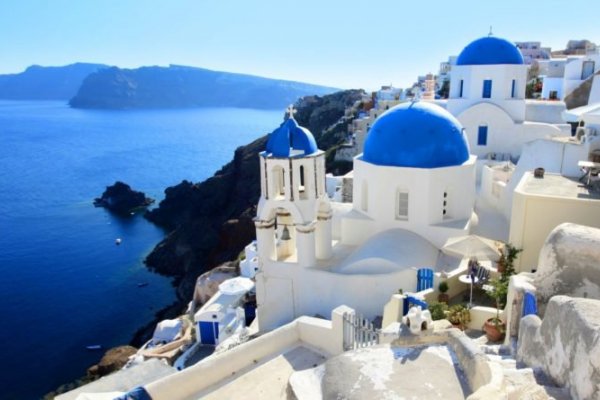
Greece is off to a spectacular start in 2026, with tourism revenue and arrivals surging to record levels. According to recent reports, early 2026 has seen a remarkable uptick in visitors, driven largely by travelers from non-EU countries. The country is on track to surpass its previous record of €16.7 billion in travel receipts, thanks to a powerful rebound in global travel demand. Islands like Santorini, Mykonos, and Crete are buzzing with activity, while mainland destinations such as Athens and Thessaloniki are also enjoying a renaissance. For travelers, this means vibrant markets, full cultural calendars, and an unmistakable energy that makes Greece feel more alive than ever. The surge is a testament to Greece's enduring appeal, from its sun-drenched beaches to its ancient ruins and world-class cuisine.
The driving force behind this boom is the influx of non-EU tourists, particularly from the United States, Asia, and the Middle East. The introduction of the European Travel Information and Authorisation System (ETIAS) has streamlined entry for many travelers, making Greece more accessible than ever before. In fact, non-EU visitors now account for a significant portion of the spending, with Americans leading the charge in luxury travel and island hopping. This diversification is healthy for the Greek economy, reducing reliance on any single market. However, it also means that popular spots can get crowded, especially during peak months. Travelers should plan ahead, book accommodations early, and consider lesser-known gems like the Peloponnese or the Dodecanese islands for a more tranquil experience. The energy is infectious, but a little strategy goes a long way.
Interestingly, while overall arrivals are soaring, there has been a noticeable dip in American summer bookings, as reported by the Pappas Post. Some US travelers are reconsidering Greece due to rising costs, crowded hotspots, and the allure of alternative Mediterranean destinations like Croatia or Portugal. This shift, however, could be a silver lining for those who do choose Greece in 2026. With slightly fewer Americans in peak season, you may find more availability at top hotels, shorter queues at archaeological sites, and a more relaxed vibe in popular towns. For European and Asian travelers, this is an excellent opportunity to experience Greece without the usual summer frenzy. The Greek tourism board is actively promoting shoulder-season travel, offering incentives for visits in May, June, September, and October, when the weather is still glorious but the crowds thin out.
Despite the shifting dynamics, the overall outlook for Greece in 2026 remains overwhelmingly positive. The country has invested heavily in infrastructure, including upgraded airports, new ferry routes, and sustainable tourism initiatives. Many islands are limiting cruise ship arrivals to prevent overcrowding, and eco-friendly accommodations are on the rise. Travelers can expect cleaner beaches, better connectivity, and a more curated experience. The Greek government is also promoting off-the-beaten-path destinations like the mountainous region of Zagori, the volcanic island of Nisyros, and the lush landscapes of Evia. Whether you're a history buff, a foodie, or a beach lover, Greece offers a depth of experiences that few countries can match. The record revenue is funding preservation and innovation, ensuring that your visit supports a brighter future for local communities.
Practical tip: Book flights and ferries well in advance for summer 2026, as demand remains high. Consider visiting in late spring or early autumn for milder weather, lower prices, and fewer crowds. Always check ETIAS requirements before traveling from non-EU countries to avoid last-minute hiccups.