Greece 2026: New Tourism Alliance and Record Travel Boom Transform Mediterranean Adventures
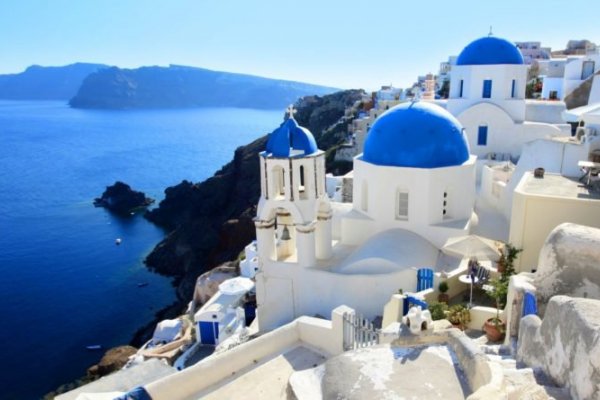
Greece is stepping into 2026 with unprecedented momentum, joining forces with France, Italy, Cyprus, Israel, and the UAE in a groundbreaking tourism alliance aimed at reshaping travel across the Mediterranean and beyond. This powerful collaboration promises seamless multi-destination itineraries, shared cultural events, and enhanced infrastructure that will make island-hopping and cross-border exploration smoother than ever. For travelers, this means new ferry routes, coordinated visa facilitation, and curated experiences that blend ancient Greek ruins with modern luxury. The alliance also focuses on sustainable tourism, ensuring that the breathtaking beaches of Crete, the historic streets of Athens, and the volcanic landscapes of Santorini remain pristine for generations. Whether you are a history buff or a sun-seeker, this partnership unlocks a richer, more connected way to explore the region.
Record-breaking numbers underscore Greece’s appeal: non-EU tourists have powered a staggering €16.7 billion travel boom, according to recent reports. This surge reflects a global appetite for authentic Greek experiences—from sampling local olive oil in the Peloponnese to watching sunsets over the caldera in Oia. The influx has spurred investments in boutique hotels, farm-to-table dining, and off-the-beaten-path adventures like hiking the Vikos Gorge or sailing the Ionian Islands. However, with growth comes responsibility, and Greece is ramping up efforts to manage overtourism by promoting lesser-known gems. For example, the island of Naxos now rivals Mykonos with its sandy beaches and charming villages, while the mainland region of Epirus offers dramatic mountain scenery and ancient theaters that see fewer crowds.
While the future looks bright, recent reports also highlight a cautionary tale: a traveler fell victim to a classic tourist scam in Greece, only realizing it too late. Common scams include overcharging for taxis, fake tour guides at archaeological sites, and unofficial currency exchange booths offering poor rates. To avoid these pitfalls, always use licensed taxis with meters, book tours through reputable agencies, and withdraw cash from bank ATMs. The Greek government, in partnership with the new tourism alliance, is launching awareness campaigns and digital tools to help visitors spot red flags. Remember, a little vigilance goes a long way—Greece is overwhelmingly safe and welcoming, and most locals are eager to share their culture with honesty and warmth.
The alliance also emphasizes cultural exchange, with plans for joint festivals, art exhibitions, and culinary tours that highlight the Mediterranean diet’s health benefits. Imagine starting your journey in Athens, then hopping to Cyprus for ancient ruins, followed by a wine-tasting tour in Israel’s Galilee region, all under a unified booking system. This integration is a game-changer for travelers seeking diverse experiences without the logistical headaches. Meanwhile, Greece’s own tourism board is investing in digital nomad hubs, offering co-working spaces in cities like Thessaloniki and Heraklion. With improved connectivity and a focus on year-round travel, 2026 is shaping up to be the year to explore Greece’s hidden corners—like the wild beaches of Kefalonia or the Byzantine churches of Mystras—without the summer crowds.
Practical tip: To enjoy Greece’s 2026 boom safely, always confirm taxi fares before departing, use official tour operators for excursions, and keep digital copies of your passport and travel insurance handy. This simple preparation ensures you focus on the magic—crystal-clear waters, ancient wonders, and warm hospitality—rather than unexpected hiccups.