Greece 2026: Digital Revolution and Smart Travel Tips for Tourists
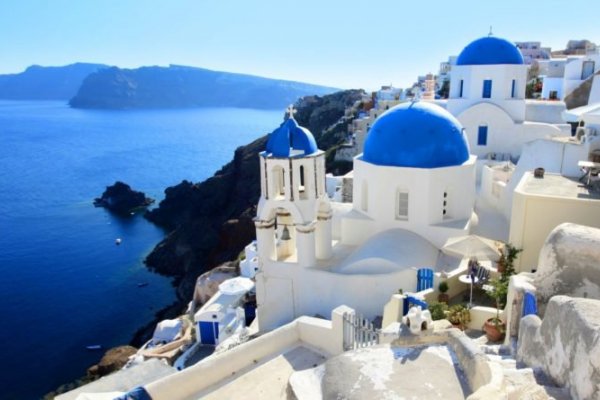
Greece is poised for an explosive tourism revolution in 2026, with record-shattering numbers of travelers expected from Italy, Japan, Russia, the UK, and beyond. The country is rapidly eliminating cash dependency through a QR code scanning boom, making payments faster and more secure for visitors. This digital transformation, coupled with soaring tourist spending, is reshaping the Greek travel experience from Athens to the islands. Whether you're sipping coffee in Plaka or island-hopping in the Cyclades, you'll find contactless payments accepted almost everywhere, reducing the need to carry large amounts of cash. This shift not only enhances convenience but also helps tourists avoid common pitfalls like currency exchange scams or pickpocketing. For savvy travelers, embracing digital wallets and bank cards is the new norm in Greece's vibrant, modernized tourism landscape.
However, as tourism surges, so do opportunities for scammers. A recent report highlights a classic tourist scam in Europe that caught even experienced travelers off guard. In Greece, be especially wary of overpriced taxis, fake official guides near major sites, and ‘free’ bracelets or flowers that suddenly come with a demand for payment. The good news is that Greece is investing heavily in tourist infrastructure and safety measures. New signage, digital information kiosks, and multilingual police patrols in hotspots like Santorini, Mykonos, and the Acropolis are helping visitors navigate safely. By staying informed and using official services—such as licensed taxis, accredited tour operators, and government-run transport apps—you can sidestep most common tricks and focus on the country's breathtaking beauty and hospitality.
The infrastructure reshaping Greek tourism is a direct response to the influx of visitors. New airports, expanded port facilities, and upgraded road networks are making it easier to explore lesser-known gems like the Peloponnese, Epirus, and the northern mainland. The government is also introducing a smart tax system for tourists, which funds these improvements while keeping entry fees reasonable. For example, a small overnight stay tax helps maintain ancient sites and public beaches, ensuring they remain pristine for future generations. This forward-thinking approach means that in 2026, you can expect cleaner facilities, shorter queues, and better connectivity between islands. The focus is on sustainable growth, balancing the needs of millions of tourists with the preservation of Greece's cultural and natural heritage.
Greece's connection with major global markets—including Italy, Japan, Russia, and the UK—is also fostering cultural exchange and new travel routes. Direct flights and ferry services are expanding, making it easier to combine a trip to Greece with neighboring countries. The rise of digital nomadism and remote work has further boosted long-stay tourism, with many visitors choosing to spend months in Crete, Thessaloniki, or the Ionian Islands. Co-working spaces, high-speed internet, and English-friendly services are now standard in popular destinations. Meanwhile, local communities are embracing this change by offering authentic experiences like cooking classes, olive oil tastings, and guided hikes. The result is a richer, more immersive travel experience that goes beyond the postcard-perfect beaches, allowing you to connect with Greek culture on a deeper level.
Practical tip: Always use official taxis (look for a license plate starting with ‘TAXI’ and a meter) or ride-hailing apps like Uber in Athens. Avoid street vendors offering ‘free’ items, and never accept help from strangers at ATMs—stick to bank machines inside branches for safety.