Greece in 2026: Affordable Escapes and Smart Travel Tips
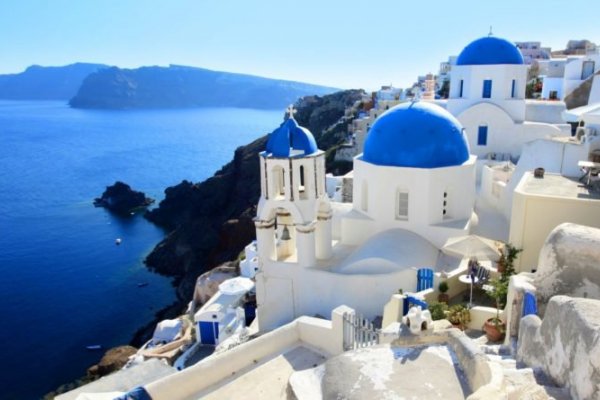
Greece is making headlines in 2026 as a top-tier destination for travelers seeking affordable Mediterranean escapes without the usual summer crowds. According to recent reports, last-minute bookings to Greek islands and mainland hotspots are surging, driven by competitive pricing and a shift toward spontaneous, off-peak travel. Tourists are increasingly drawn to the promise of sun-drenched beaches, ancient ruins, and vibrant local culture—all without the hefty price tags of previous years. Whether you’re dreaming of Santorini’s iconic sunsets or the rustic charm of Crete, Greece is positioning itself as the go-to choice for budget-conscious adventurers who value authentic experiences over tourist traps. This trend reflects a broader movement toward mindful travel, where quality and tranquility take precedence over peak-season chaos.
The rise in Turkish tourists flocking to Greece adds a fascinating layer to the 2026 travel landscape. With rising costs in Turkey making domestic holidays less appealing, many Turkish travelers are crossing the Aegean for Greek islands like Rhodes, Kos, and Samos. This cross-cultural exchange enriches the local atmosphere, offering visitors a unique blend of Greek and Turkish influences in cuisine, architecture, and hospitality. For international tourists, this means more diverse dining options, bustling markets, and a chance to witness a friendly cultural dialogue. The influx also encourages Greek businesses to cater to a wider range of tastes, from traditional tavernas to modern fusion eateries. It’s a win-win for everyone seeking a vibrant, multicultural holiday experience.
However, not all news from Greece is idyllic. A recent cautionary tale from a traveler who fell for a classic tourist scam serves as a vital reminder to stay vigilant. The scam, often involving overpriced drinks, fake tour guides, or taxi overcharges, can catch even seasoned travelers off guard. The victim recounted how a seemingly friendly local led them into a high-pressure situation, leaving them out of pocket and embarrassed. While Greece remains overwhelmingly safe and welcoming, it’s wise to research common scams, especially in busy areas like Plaka in Athens or Mykonos’ nightlife hubs. Stick to licensed taxis, verify tour operators, and always agree on prices upfront. A little awareness goes a long way in ensuring your Greek adventure remains memorable for all the right reasons.
For those planning a 2026 trip, the key to a seamless experience lies in timing and flexibility. Last-minute deals are plentiful, but they require a willingness to embrace spontaneity—think booking a flight two weeks out and letting the islands choose you. Crowd-free experiences are most accessible in late spring (May-June) and early autumn (September-October), when the weather is warm but the masses have thinned. Consider lesser-known gems like Naxos, Milos, or the Peloponnese peninsula, which offer stunning landscapes and authentic charm without the saturation of Santorini or Mykonos. Local festivals, such as the August full moon events at ancient sites, add a magical touch. With proper planning, Greece in 2026 promises to be a rewarding, wallet-friendly escape.
Practical tip: To avoid scams and save money, always book accommodations and tours through reputable platforms or official websites, and use licensed taxis or ride-sharing apps. For authentic dining, wander away from main squares and look for menus in Greek—these spots often offer better value and genuine local flavors. Carry small denominations of euros for cash-only transactions, and keep digital copies of your passport and travel insurance. Lastly, learn a few Greek phrases like ‘efharisto’ (thank you) and ‘poso kanei’ (how much)—locals appreciate the effort, and it can help you negotiate fairly. With these precautions, your Greek holiday in 2026 will be as safe as it is unforgettable.