Germany 2026: New Tourism Hubs, Cathedral Fees & Travel Wins
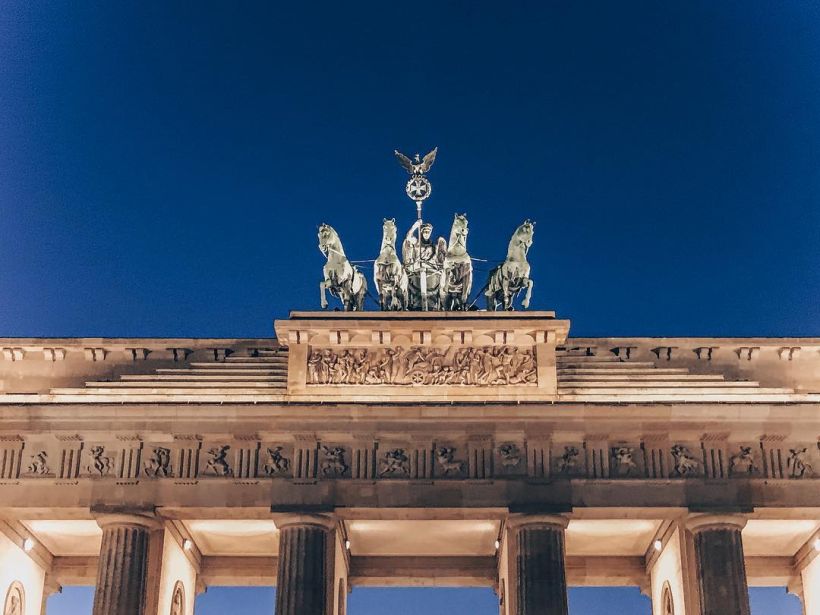
Germany is shaping up to be a dynamic destination in 2026, with three major developments that promise to enhance the travel experience for visitors. First, a new Croatia-Germany Tourism Promotion Hub is set to open, deepening ties between the two nations and improving connectivity across Europe. This hub will streamline travel information, promote cross-border itineraries, and likely lead to more direct flights and rail links. For tourists, this means easier access to both Germany’s historic cities and Croatia’s Adriatic coast, opening up exciting multi-country adventures. The partnership reflects a growing trend of collaborative tourism, making Europe feel more connected than ever. Whether you’re planning a Rhine cruise or a Dubrovnik getaway, expect smoother logistics and richer cultural exchanges.
In a move that has sparked both curiosity and debate, Cologne Cathedral will introduce a €12 entry fee for tourists starting July 2026. This charge, aimed at funding ongoing maintenance, enhancing visitor services, and preserving the UNESCO World Heritage site, marks a shift in how Germany manages its iconic landmarks. While locals and worshippers will still enter free, tourists can expect improved exhibitions, guided tours, and digital resources in return for the fee. The cathedral, a masterpiece of Gothic architecture and one of Europe’s most visited churches, will continue to welcome millions. This fee aligns with a broader European trend of sustainable tourism, ensuring that beloved sites remain pristine for future generations while offering a better experience today.
Meanwhile, a German tourist’s legal victory in Greece has sent ripples through the travel industry. The vacationer won €1,000 in compensation after a resort’s aggressive “sunbed wars” disrupted their holiday—a case that highlights the growing importance of consumer rights in tourism. While this happened in Greece, it serves as a reminder for travelers in Germany and beyond to know their rights. German tourism authorities are taking note, with some calling for clearer guidelines on beach and pool access. For tourists, this underscores the value of documenting issues and seeking fair treatment. It also reinforces Germany’s reputation as a country that values order and fairness, traits that extend to how German travelers are protected abroad.
Looking ahead, 2026 promises to be a year of thoughtful travel in Germany. The Cologne Cathedral fee represents a shift toward responsible heritage tourism, where visitors contribute directly to preservation. Meanwhile, the Croatia-Germany hub could inspire similar partnerships, potentially boosting rail and air links with other European neighbors. Travelers should also watch for updates on the German government’s tourism initiatives, including digital innovations like AI-powered travel assistants and expanded bike-sharing networks. With its efficient infrastructure, rich history, and now these forward-thinking changes, Germany is positioning itself as a leader in sustainable, connected travel. Whether you’re a history buff, a sun-seeker, or a culture lover, 2026 is shaping up to be a fantastic year to explore Deutschland.
Practical tip: When visiting Cologne Cathedral after July 2026, book your ticket online in advance to skip queues and secure a time slot. Also, carry a student or senior ID if applicable—discounts may apply. For the Croatia-Germany hub updates, check official tourism websites closer to your trip for new route launches and travel packages.