France 2026 Travel Guide: Wine, Heat, and Smart Tips
As we look ahead to 2026, France continues to shine as a top destination for international travelers, especially with the growing trend of wine tourism. Following the lead of Italy, Spain, and Greece, French regions like Bordeaux, Burgundy, and the Loire Valley are rolling out immersive vineyard experiences that go beyond tastings. Visitors can now join harvests, explore ancient cellars, and attend exclusive wine-pairing dinners. This push aligns with a broader Mediterranean movement to attract tourists seeking authentic cultural encounters. For the savvy traveler, this means more opportunities to connect with local traditions while savoring world-class wines in stunning landscapes—from sun-drenched Provence to the rolling hills of Alsace. Wine lovers, mark your calendars for the 2026 vintage festivals.
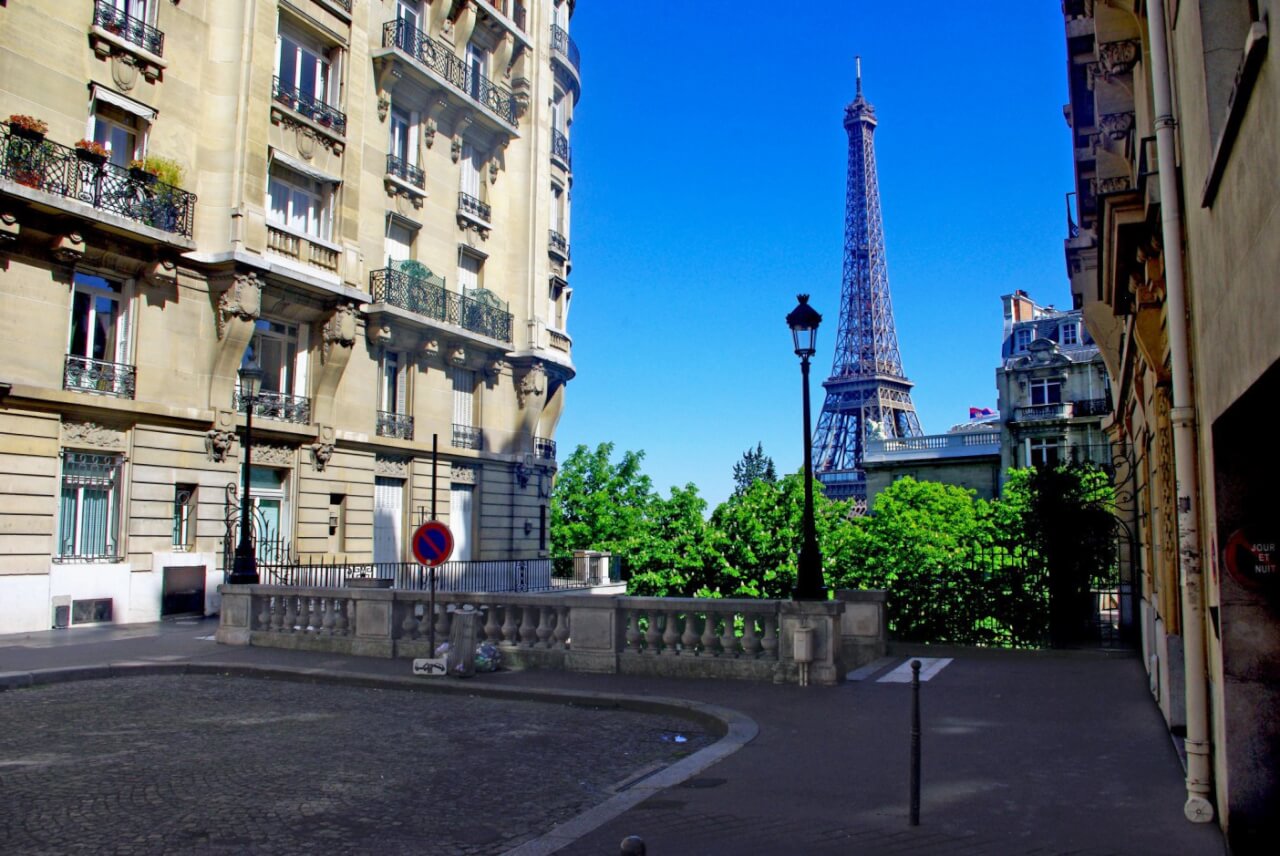
However, summer 2026 is also bringing intense heat waves across Europe, and France’s iconic attractions are feeling the burn. The Eiffel Tower, the Louvre, and the Palace of Versailles have already implemented heat protocols, including misting stations, extended evening hours, and indoor-only access during peak temperatures. Travelers should plan early-morning visits to avoid the midday sun and stay hydrated. The southern coast, from Nice to Marseille, is particularly affected, with temperatures often exceeding 35°C. On the bright side, this has led to a surge in off-season travel, with spring and autumn becoming increasingly popular for their mild weather and smaller crowds. Embrace the heat by seeking out shaded terraces, rooftop pools, and air-conditioned museums—your comfort is a priority.
For those worried about costs, a French local has shared five game-changing ways to save money and dodge tourist traps in 2026. First, skip the overpriced cafés near major landmarks; instead, walk two blocks for authentic croissants at half the price. Second, use regional train passes like the Carte Avantage Jeune or Senior to slash fares by up to 50%. Third, eat like a local by visiting markets for picnic supplies—think baguettes, cheese, and fruit—instead of sit-down restaurants. Fourth, book accommodation in residential neighborhoods like the 11th arrondissement in Paris rather than tourist-heavy zones. Finally, avoid souvenir shops near attractions; buy from local artisans or supermarkets for genuine French goods without the markup. These tips can save hundreds of euros per trip.
Beyond the classics, France is reinventing itself for 2026 with lesser-known destinations that offer unique experiences without the crowds. The medieval village of Saint-Cirq-Lapopie in the Lot Valley is gaining buzz for its cliffside charm and artisanal crafts. In Brittany, the pink granite coast near Perros-Guirec provides a dramatic backdrop for hiking and sea kayaking. Meanwhile, the Alps are not just for winter—summer 2026 sees a boom in electric mountain biking and via ferrata adventures in Chamonix. These spots allow you to savor France’s diversity while supporting local economies. With improved high-speed rail connections, even remote gems are now just a few hours from major cities. The key is to venture beyond the postcard views and discover the France that locals love.
Practical tip: To beat the heat and save money, book your France 2026 trip for late September or early October. You’ll enjoy cooler weather, fewer crowds, and lower prices on flights and hotels, plus the bonus of harvest-season wine festivals. Always carry a reusable water bottle—public fountains are free and plentiful.