France Travel in 2026: Smart Tips for a Smooth Summer Adventure
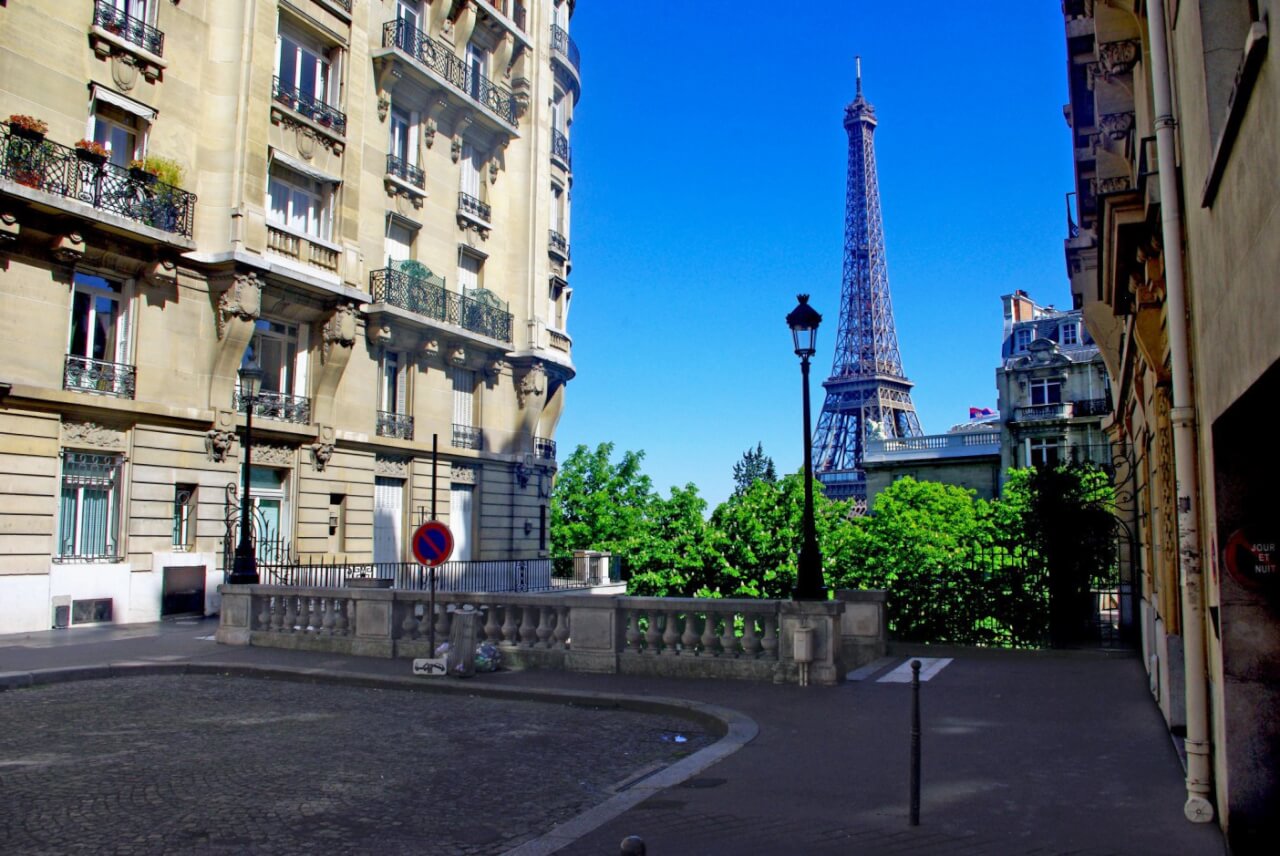
Planning a trip to France in summer 2026? While the allure of Parisian cafés, lavender fields in Provence, and sun-drenched Riviera beaches is timeless, this year brings unique challenges—and opportunities—for savvy travelers. Recent reports from Travel And Tour World highlight that Paris is bracing for airport delays, heatwaves, and rail disruptions, all part of the city’s ongoing preparations for major events. But don’t let the headlines worry you. With a little foresight, you can turn potential chaos into a seamless adventure. Think of it as a chance to discover quieter backstreets, embrace early morning museum visits, and enjoy the city’s resilient spirit. The key is to plan ahead, stay flexible, and lean on local knowledge to make your journey unforgettable.
One of the biggest pitfalls for visitors, as noted by MSN’s list of common tourist mistakes, is underestimating the summer heat. Paris heatwaves can be intense, with temperatures often soaring above 35°C (95°F). Many tourists dash from attraction to attraction without breaks, leading to exhaustion and disappointment. Instead, adopt the French rhythm: start your day early, take a long lunch in an air-conditioned bistro, and explore again in the late afternoon when the sun softens. Also, avoid the classic blunder of dining at overpriced restaurants near major landmarks. A short walk down a side street often reveals charming brasseries with authentic cuisine and fair prices. Remember, a little local wisdom goes a long way toward a more relaxed trip.
Saving money in France is easier than you think, especially with advice from a French local featured in Barron’s. The number one tip? Skip the pricey museum passes if you only plan to visit one or two sites; instead, book timed-entry tickets online for specific attractions like the Louvre or Musée d’Orsay. This not only saves cash but also bypasses long queues. Another insider secret: use the city’s public bike-sharing system, Vélib’, for short trips instead of taxis or ride-shares. It’s eco-friendly, affordable, and lets you see Paris like a true Parisian. And for souvenirs, avoid tourist-trap shops along the Champs-Élysées. Head to local markets like Marché Bastille or Marché d’Aligre for unique finds, from handmade soaps to vintage postcards, at a fraction of the cost.
Rail disruptions and airport delays are real concerns in summer 2026, but they don’t have to derail your plans. The key is building buffer time into your itinerary. If you’re flying into Charles de Gaulle or Orly, arrive at least three hours early for international flights, and consider booking morning departures when delays are less common. For train travel, the SNCF often posts real-time updates on their app, so download it before you go. A smart alternative: explore lesser-known regions like the Loire Valley or Alsace, which are easily reachable by regional trains and offer a slower, more intimate French experience. These areas are less crowded and often more affordable, giving you a richer taste of France beyond the capital. With a bit of adaptability, any disruption becomes just another story to tell.
Practical tip: To beat summer crowds and heat, book major attractions for the first morning slot (often 9 a.m.) and carry a reusable water bottle—Paris has over 1,200 public fountains with free, chilled sparkling water. Also, download the SNCF and RATP apps for real-time travel updates, and always carry a light scarf or hat for sun protection. These small steps can transform a potentially stressful trip into a delightfully smooth journey.