France Travel 2026: Insider Tips for a Smooth Summer Escape
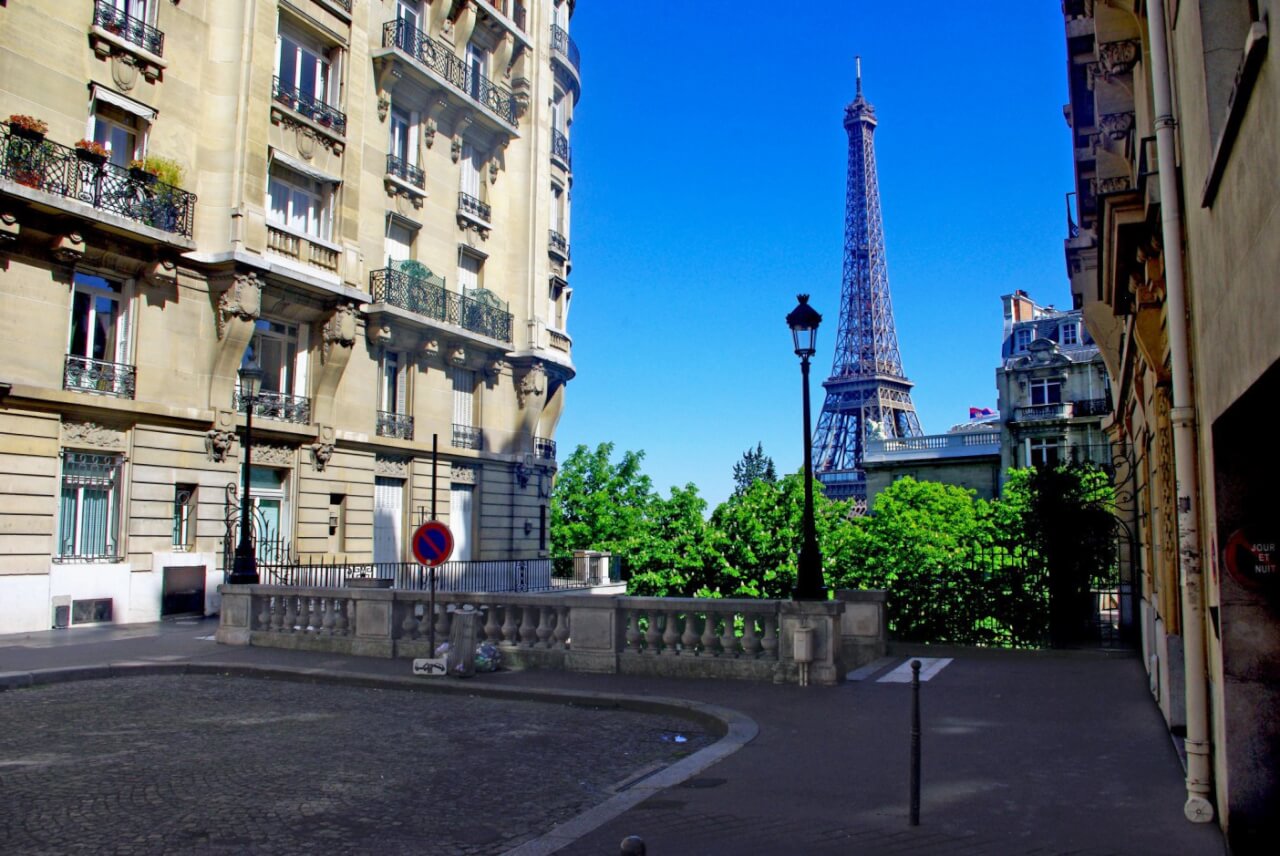
France remains the world’s most visited country, and 2026 promises to be another banner year for travelers drawn to its timeless allure. Recent reports confirm France’s top ranking, with over 89 million annual visitors before the pandemic—a figure that continues to rebound strongly. From the lavender fields of Provence to the chic boutiques of Paris, the country offers an unmatched blend of culture, cuisine, and natural beauty. However, with popularity comes challenges: summer crowds, heatwaves, and transit hiccups. The good news is that with a little planning, you can sidestep the stress and experience France like a savvy insider. This guide compiles the latest tips from local experts and travel authorities to help you make the most of your 2026 adventure.
Paris summer travel has earned a reputation for chaos, but understanding the key pain points turns frustration into opportunity. Airport delays, especially at Charles de Gaulle and Orly, often stem from staff shortages and peak-hour congestion. Beat the rush by booking early-morning flights and using mobile check-in. Heatwaves, now more frequent, can make sightseeing uncomfortable—plan museum visits for midday air-conditioned breaks and carry a reusable water bottle (public fountains in Paris are safe and free). Rail disruptions, particularly on the RER and TGV lines, are common during summer maintenance. Download the SNCF app for real-time updates and consider buying a flexible ticket. With these strategies, you’ll navigate the city like a pro.
A French local’s perspective is gold when it comes to saving money and dodging tourist traps. One top tip: avoid dining on the Champs-Élysées, where prices are inflated for the view. Instead, walk a few blocks to side streets for authentic bistros serving the same quality at half the cost. Another trick: skip the pricey Seine river cruises and opt for the Batobus, a hop-on-hop-off water shuttle that costs about €20 for a day pass and offers similar views. For museums, book timed-entry tickets online in advance—not only do you skip the long queues, but you also lock in lower rates. And never buy souvenirs from stalls near major landmarks; head to local markets like Marché aux Puces for unique finds at fair prices.
Beyond Paris, France’s regions reward those who venture off the beaten path. Instead of the overcrowded Côte d’Azur in July, consider the quieter but equally stunning coastline of Brittany or the Basque Country. In Provence, visit the lavender fields in mid-June rather than late July to avoid peak crowds and see the blooms at their most vibrant. For a budget-friendly stay, look into gîtes (rural cottages) or chambres d’hôtes (B&Bs) rather than chain hotels—these often include homemade breakfasts and local insights from your hosts. Train travel with a Eurail France pass can save money on multi-city itineraries, and booking regional trains (TER) in advance is cheaper than last-minute TGV tickets. Embrace the French art of slow travel; you’ll leave with richer memories and a lighter wallet.
Practical tip: Always carry a reusable water bottle and a light scarf—the bottle saves money at public fountains, and the scarf doubles as a cover-up for entering churches or protecting against sun. Download the Citymapper app for real-time transit updates in Paris, and avoid the yellow vests at tourist sites offering unofficial tours. For last-minute savings, check Le Bon Coin (France’s Craigslist) for apartment rentals or local events. Finally, learn a few French phrases like “Bonjour” and “Merci”—a little effort goes a long way in earning warm smiles and better service. With these hacks, your 2026 France trip will be seamless, affordable, and unforgettable.