France Travel 2026: Smart Tips to Save Money and Avoid Crowds
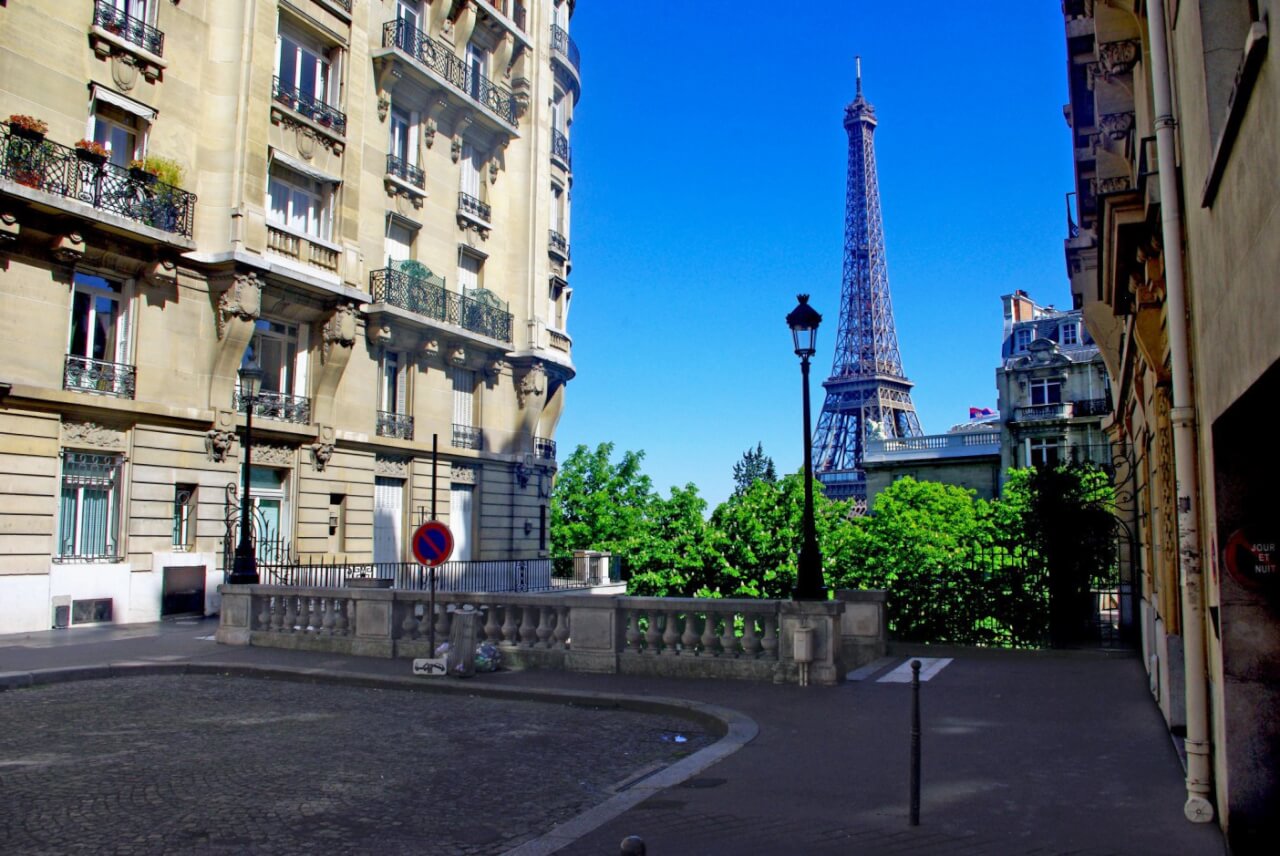
France remains the world’s most visited country, welcoming over 89 million international tourists in 2024, and 2026 promises even more enchanting experiences. From the lavender fields of Provence to the glittering streets of Paris, the country offers endless allure. However, savvy travelers are already planning ahead to avoid the peak-season crush and rising costs. According to recent reports, French tourists are increasingly choosing domestic or European destinations over the US, partly due to exchange rates and geopolitical shifts. This means you might encounter fewer French visitors in some hotspots, creating a more relaxed atmosphere for international travelers. The key is to embrace local rhythms, explore lesser-known regions, and book early for popular sites like the Louvre or Mont-Saint-Michel.
One of the best ways to save money in France is to dine like a local. Avoid restaurants with multilingual menus posted outside or touts beckoning you in—these are classic tourist traps. Instead, seek out a ‘menu du jour’ (fixed-price lunch) at a bistro frequented by workers; it often includes a starter, main course, and dessert for under €20. Markets are another goldmine: pick up fresh baguettes, cheese, and seasonal fruit for a picnic in a park or by the Seine. For accommodation, consider renting an apartment in a residential neighborhood rather than a hotel near major attractions. This not only cuts costs but immerses you in everyday French life, from the morning croissant run to the evening apéritif on a quiet square.
Transportation in France is efficient but can be pricey if not planned wisely. High-speed TGV trains connect major cities in hours, but booking at least two weeks in advance can slash fares by up to 60%. For regional travel, consider the slower TER trains or even car-sharing services like BlaBlaCar, which are popular among locals. If you’re exploring Paris, skip the expensive hop-on-hop-off buses and invest in a Navigo Découverte pass for unlimited metro, bus, and RER travel within the city. Walking is also a joy—Paris’s arrondissements are surprisingly walkable, and you’ll discover hidden courtyards, street art, and family-run patisseries that guidebooks often miss. Remember to validate your train tickets before boarding; fines for forgetting can be steep.
To truly avoid crowds, adjust your itinerary by just a few weeks. May and September offer mild weather, blooming gardens, and far fewer tourists than June through August. The same applies to visiting iconic sites: arrive at the Eiffel Tower right when it opens at 9 a.m. or book a sunset visit to the Sacré-Cœur for panoramic views without the midday queues. For a unique twist, follow the trend of French travelers who are staying closer to home—explore the Loire Valley’s châteaux, the Calanques near Marseille, or the Alsatian wine route. These regions offer authentic cultural experiences, from vineyard tours to medieval festivals, and often have lower prices than Paris or the French Riviera. In 2026, sustainable tourism is also on the rise, with more eco-lodges and farm-to-table dining options available.
Practical tip: Always carry a reusable water bottle—France has thousands of public fountains with free, drinkable water, especially in Paris and smaller towns. This saves money and reduces plastic waste. Also, learn a few polite French phrases like ‘Bonjour’ and ‘Merci’; locals appreciate the effort and often respond with warmer service. Finally, check if your credit card charges foreign transaction fees, and notify your bank before you travel to avoid card blocks. With a little planning, your 2026 French adventure can be both affordable and unforgettable.