France 2026: Record Tourism Boom and Smart Travel Tips for a Heatwave Summer
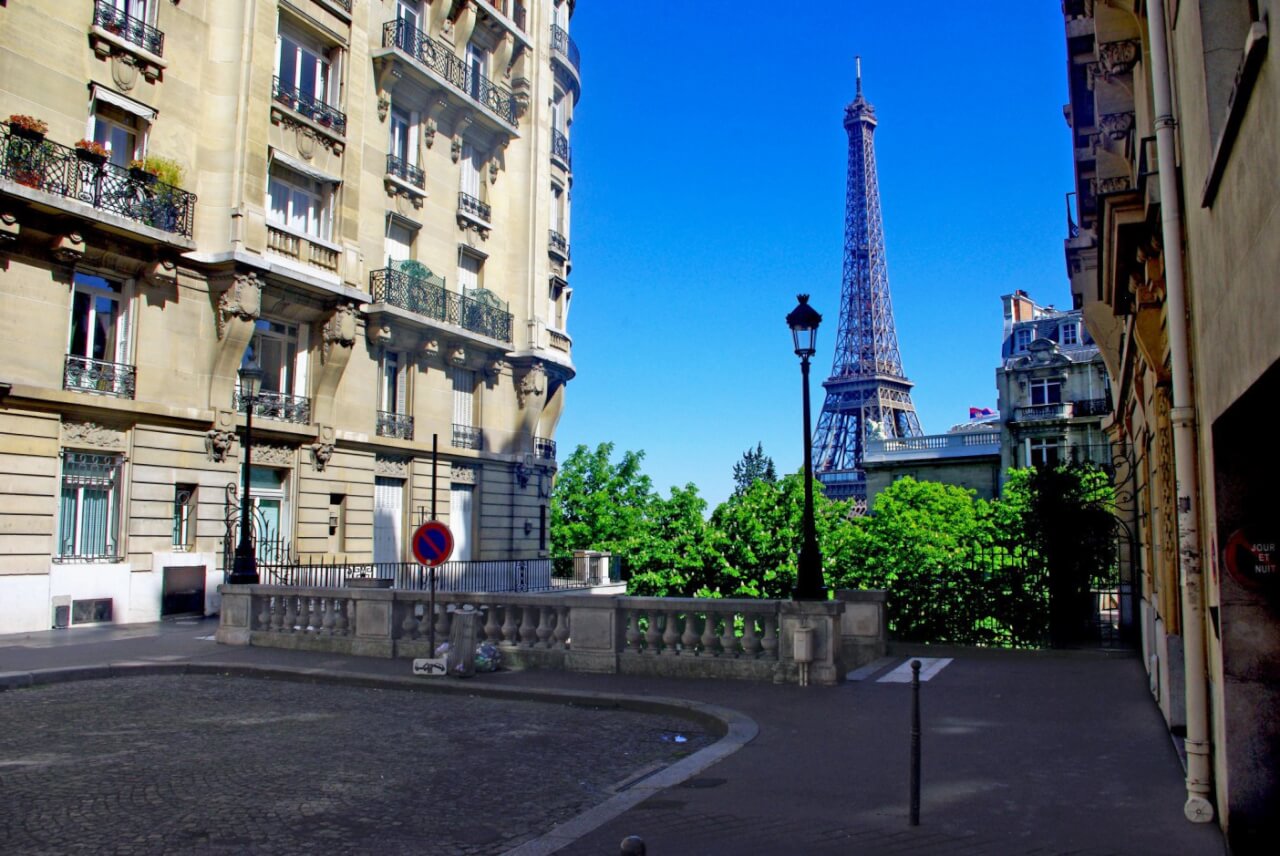
France is experiencing an unprecedented tourism surge in 2026, with visitor numbers and revenue skyrocketing as Paris serves as the primary gateway for millions of travelers from Germany, the Netherlands, the UK, Switzerland, and other European nations. According to recent reports, this boom has been sustained for six consecutive months, driven by enhanced rail connections, competitive airfares, and a renewed global appetite for European travel. The French tourism board reports that regional destinations—from the lavender fields of Provence to the châteaux of the Loire Valley—are benefiting from this influx, as travelers increasingly venture beyond the capital. For tourists, this means vibrant cities, bustling markets, and a lively cultural scene, but also the need for thoughtful planning to make the most of the experience without feeling overwhelmed by crowds.
However, this summer’s heatwave is adding a new layer of challenge for visitors exploring France’s top attractions. Temperatures have soared across much of the country, with iconic sites like the Eiffel Tower, the Louvre, and the Palace of Versailles experiencing prolonged periods of intense heat. Authorities have issued health advisories, recommending that tourists stay hydrated, wear sun protection, and plan outdoor visits for early morning or late evening. Many museums and monuments have extended their hours or introduced misting stations to help guests cope. Despite the heat, the atmosphere remains electric, and savvy travelers are finding creative ways to enjoy the sights—such as booking skip-the-line tickets to minimize time in direct sun or opting for cooler indoor attractions like the Musée d’Orsay or the Cité des Sciences.
For those looking to save money and dodge tourist traps, a French local’s perspective offers invaluable advice. Recent tips from a Barron’s feature highlight five key strategies: dine away from major landmarks, where prices are often inflated; use regional train passes instead of pricey taxis; visit free municipal museums on their no-admission days; shop at local markets for picnic supplies rather than eating at tourist-heavy cafés; and book accommodations in residential neighborhoods like the 11th or 19th arrondissements in Paris. These simple shifts not only reduce costs but also provide a more authentic experience, allowing visitors to connect with everyday French life. Avoiding the overpriced souvenir stalls near attractions and instead seeking out artisan boutiques can also lead to more meaningful purchases and memories.
Beyond the practicalities, 2026 is shaping up to be a golden year for cultural events and festivals across France. From the Avignon Theatre Festival to the Nice Jazz Festival and the Tour de France, there is no shortage of world-class happenings. Many of these events have introduced early-bird discounts and free outdoor screenings to accommodate the heat and the crowds. Travelers are encouraged to check local calendars and book tickets in advance, as popularity is at an all-time high. The French government has also invested in improving signage, Wi-Fi access in public spaces, and multilingual assistance at major transit hubs, making navigation easier for international visitors. Whether you’re a first-time traveler or a seasoned Francophile, the energy of France in 2026 is both exhilarating and rewarding.
Practical tip: To beat the heat and crowds, visit major attractions at opening time and carry a refillable water bottle—many museums and train stations now have free water fountains. Also, consider exploring lesser-known regions like the Ardèche or the Jura for a quieter, equally beautiful experience.