France Heatwave 2026: Smart Travel Tips for Summer Adventures
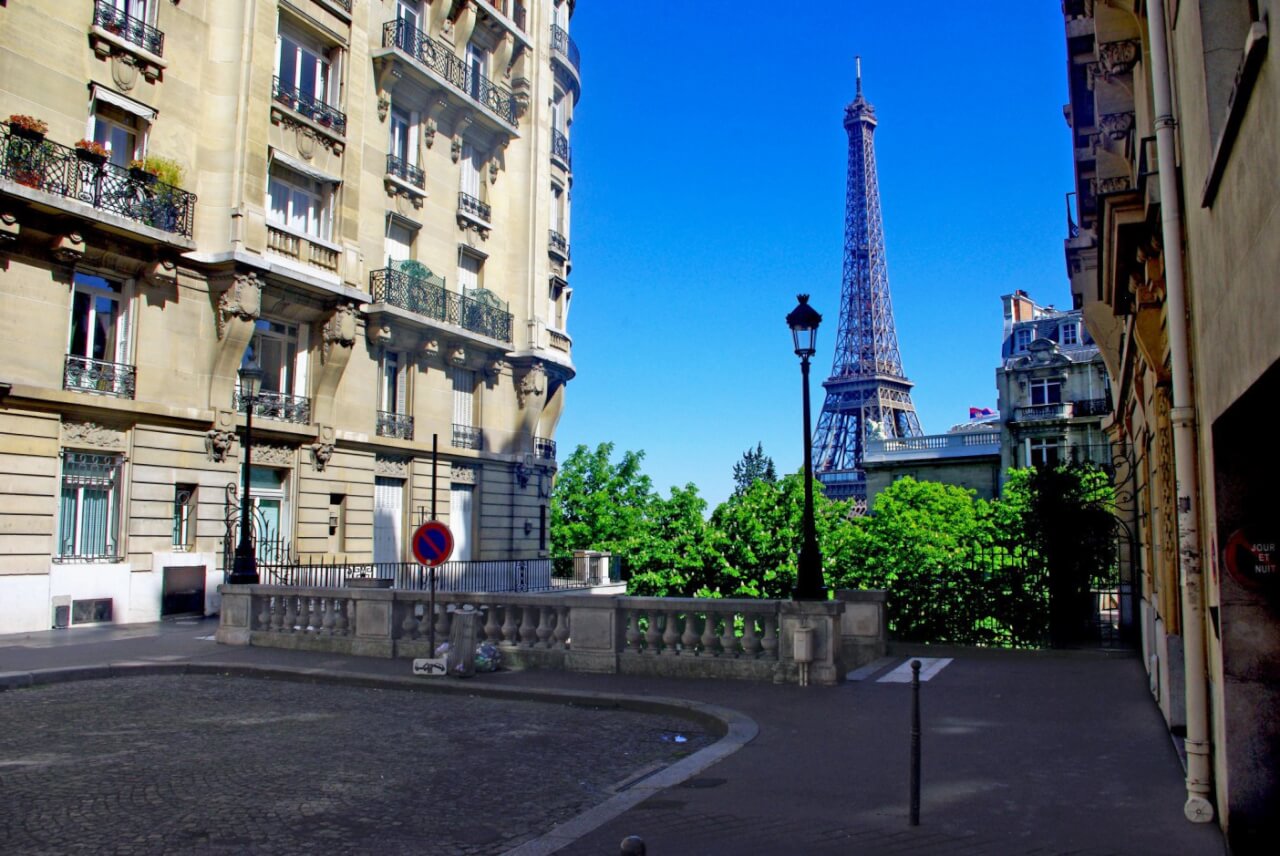
As summer 2026 heats up, France is experiencing an intense heatwave that has forced the temporary closure of several major tourist attractions in Paris and beyond. From the Eiffel Tower to the Louvre, iconic sites are adapting their hours to protect visitors and staff from soaring temperatures that have exceeded 40°C in some regions. While this may sound alarming, it’s a manageable challenge for savvy travelers. The key is to plan ahead, stay flexible, and embrace the slower pace that extreme heat often encourages. After all, a midday siesta in a shaded café or a stroll along the Seine at dusk can be just as memorable as rushing through a museum queue. With a little preparation, your French summer holiday can still be magical.
The closures are not arbitrary—they are a safety measure. In Paris, for instance, many attractions without adequate air conditioning, such as the Sainte-Chapelle and the Panthéon, have announced early closures or reduced capacity during peak heat hours. The same applies to outdoor sites like the Palace of Versailles gardens, where fountains and shaded groves offer some relief but where the sun can be relentless. Meanwhile, in southern France, cities like Marseille and Nice are seeing beach closures during the hottest parts of the day due to UV risks and heatstroke warnings. However, this doesn’t mean your trip is ruined. Instead, consider it an invitation to discover France’s less crowded indoor treasures—think wine cellars, covered markets, or air-conditioned museums that remain open with adjusted timetables.
Across Europe, the heatwave is creating chaos from Italy to Spain, but France is responding with remarkable efficiency. Local authorities have set up cooling stations in public parks, and many hotels now offer free water refills and cool towels for guests. The Paris Métro, while not fully air-conditioned, runs more frequently during heatwaves to reduce wait times underground. For tourists, this is a chance to experience a different side of French life: the early morning croissant run before the sun peaks, or the late-night dinner that stretches into the cool evening air. Many restaurants are adapting their menus to feature lighter, seasonal dishes like chilled soupe au pistou or fresh seafood, which are both refreshing and authentically local. Embrace these culinary shifts—they’re part of the experience.
If you’re planning a trip to France in summer 2026, consider shifting your itinerary to include regions that are naturally cooler. The Loire Valley, with its châteaux and riverside breezes, offers a more temperate escape. The Alps and Pyrenees provide hiking opportunities at elevation, where temperatures are often 10°C lower than in the cities. Coastal Brittany and Normandy enjoy Atlantic winds that keep things pleasant even in July and August. Alternatively, book tickets for popular attractions in advance for early morning or late afternoon slots, and always carry a reusable water bottle—many museums now have free refill stations. Remember that flexibility is your greatest asset: if a site is closed, a spontaneous picnic in a shaded park or a visit to a local patisserie can turn a minor setback into a highlight.
Practical tip: Always check the official website of each attraction the morning of your visit for real-time closure updates. Carry a portable fan, wear a wide-brimmed hat, and schedule your outdoor activities before 11 a.m. or after 5 p.m. to avoid peak heat. Most importantly, drink water frequently—even if you don’t feel thirsty—and never underestimate the power of a good gelato break in a shady square. With these simple strategies, you’ll not only survive the heatwave but truly enjoy the unique, slow-paced charm of a French summer.