France 2026 Travel Guide: Tips for a Smooth Summer Trip
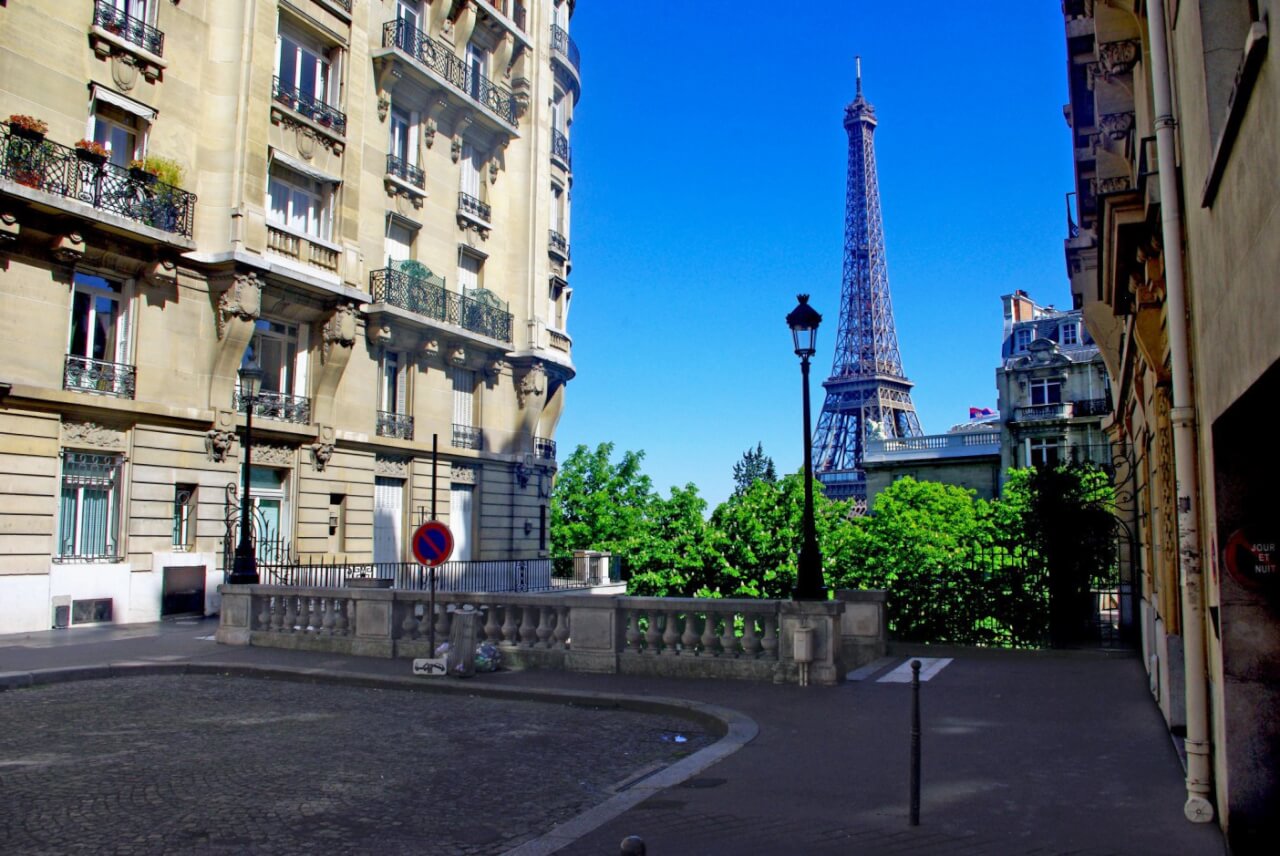
France remains the world’s most visited country, and 2026 promises to be another banner year for tourism. According to recent reports, the nation’s timeless allure—from the lavender fields of Provence to the glittering lights of Paris—continues to draw millions. However, with popularity comes challenges: summer travel in Paris is expected to see airport delays, heatwaves, and rail disruptions. But don’t let that deter you. By planning ahead, you can still enjoy the romance of the Seine and the charm of rural villages without the stress. The key is to embrace flexibility and book early, especially for flights and high-speed trains like the TGV. With a little foresight, your 2026 French adventure can be as smooth as a chilled glass of Sancerre.
Navigating Paris this summer requires a game plan. Airports like Charles de Gaulle and Orly often face congestion, so arrive at least three hours early for international flights and consider using the efficient RER B train instead of taxis to avoid traffic. Heatwaves are becoming more common, so pack a reusable water bottle and light clothing, and plan indoor activities like museum visits for midday. The Louvre and Musée d’Orsay offer air-conditioned respites, while the Luxembourg Gardens provide shady spots for a picnic. Rail disruptions, while frustrating, can be managed by downloading the SNCF app for real-time updates and opting for early morning or late evening trains when crowds thin. Stay flexible, and you’ll find that even the chaos has a certain Parisian je ne sais quoi.
To truly save money and avoid tourist traps, take advice from a local: skip the overpriced restaurants near major landmarks. Instead, wander into side streets for a boulangerie-picnic or a cozy bistro where the menu is handwritten in French. Many travelers overspend on the Eiffel Tower summit—book tickets online months ahead or enjoy the view from the free rooftop at Galeries Lafayette. For museums, consider the Paris Museum Pass, which grants skip-the-line access to over 50 attractions. In the countryside, stay in chambres d’hôtes (bed and breakfasts) rather than chain hotels; they often include homemade breakfasts and insider tips. And always carry cash—smaller shops and markets in rural areas may not accept cards. These simple swaps can cut costs by 30% or more.
Beyond Paris, France’s regions offer incredible value and authenticity. The Loire Valley’s châteaux, Normandy’s D-Day beaches, and the sun-drenched Côte d’Azur are all accessible by regional trains that are cheaper and less crowded than the TGV. In Provence, visit the weekly markets for fresh produce, cheese, and lavender honey—perfect for souvenirs that won’t break the bank. For a truly unique experience, consider the lesser-known Dordogne region, with its prehistoric caves and medieval villages like Sarlat. Summer festivals, from Avignon’s theater performances to Nice’s jazz concerts, often have free outdoor events. Renting a bike in the Alsace wine route or hiking in the Pyrenees are budget-friendly ways to see the country’s natural beauty. The key is to slow down and savor each moment, just as the French do.
Practical tip: To avoid summer crowds and heat, visit popular sites like Mont Saint-Michel or the Palace of Versailles at opening time or during the late afternoon. Book train tickets on SNCF’s website at least three months in advance for the best fares, and always carry a refillable water bottle—public fountains in Paris are safe and free. For authentic dining, look for the “Menu du Jour” sign outside bistros, which offers a fixed-price three-course meal often under €25. Finally, learn a few French phrases like “bonjour” and “merci”; locals appreciate the effort and may offer better service. With these strategies, your 2026 trip to France will be memorable for all the right reasons.