France 2026 Travel Guide: Save Money and Beat the Crowds
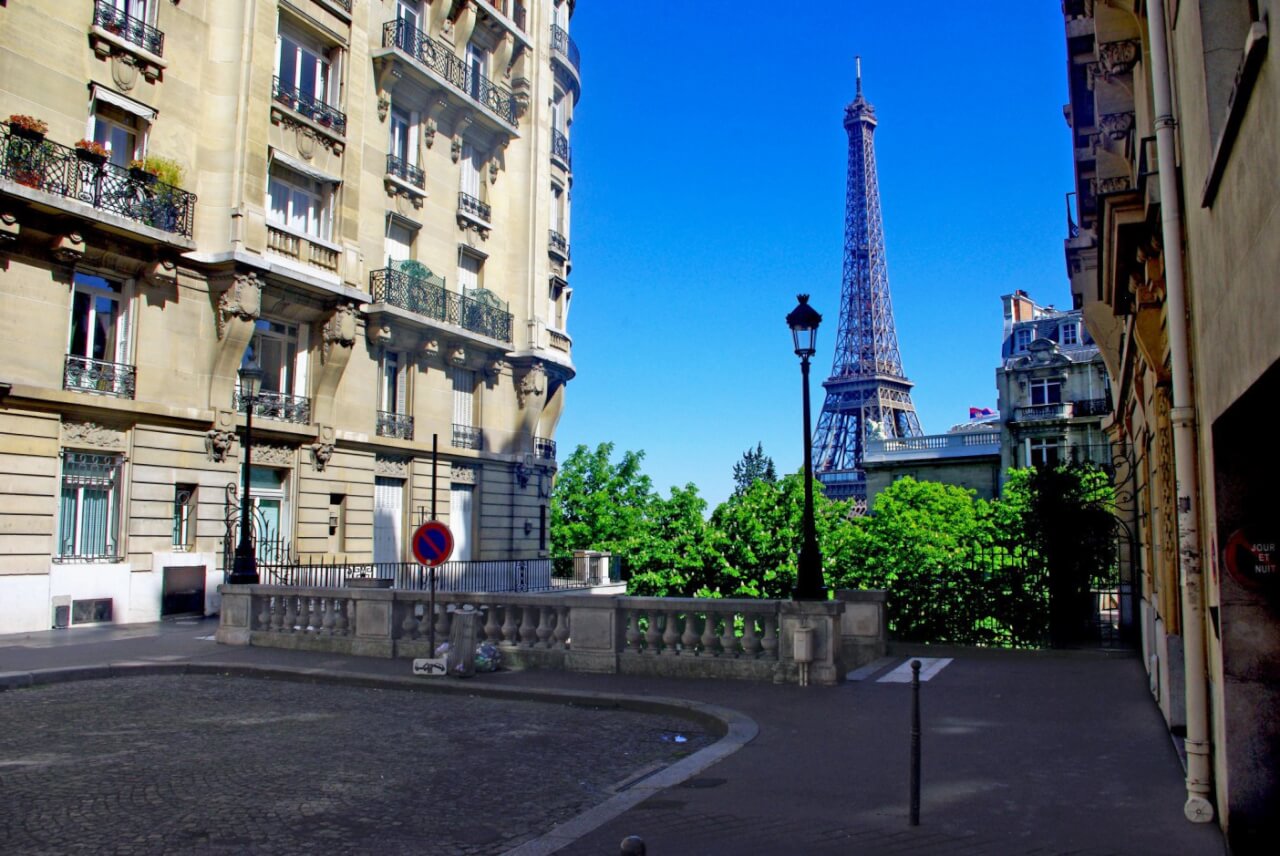
France remains the world’s most visited country, and 2026 promises to be another banner year for travelers drawn to its iconic landmarks, world-class cuisine, and diverse landscapes. From the lavender fields of Provence to the glittering coast of the French Riviera, the allure is undeniable. However, with record-breaking tourist numbers come challenges: crowded attractions, rising prices, and seasonal disruptions. The good news is that with a little planning, you can sidestep the pitfalls and experience France like a local. Recent reports highlight smart strategies to save money and avoid tourist traps, ensuring your journey is as enriching as it is affordable. Whether you’re a first-time visitor or a seasoned Francophile, 2026 offers fresh opportunities to discover hidden gems and timeless treasures.
Paris, the City of Light, is undergoing a transformation ahead of the 2026 summer season, but travelers should brace for some turbulence. According to recent travel advisories, airport delays, heatwaves, and rail disruptions are expected during peak months, particularly July and August. To navigate this chaos, consider flying into alternative airports like Orly or Beauvais, or take advantage of France’s excellent high-speed TGV network from neighboring countries. Booking early morning or late evening flights can also help you avoid the worst of the crowds. Meanwhile, the city is investing in shade structures and water stations to combat heatwaves, but it’s wise to carry a reusable bottle and plan indoor activities during the hottest part of the day. A flexible itinerary will turn potential stress into a seamless adventure.
One of the biggest traps for tourists in France is overpaying for dining and attractions near major landmarks. A French insider’s advice: walk just two blocks away from the Eiffel Tower or the Louvre, and you’ll find authentic bistros with reasonable prices and better quality. Similarly, skip the pricey river cruises and opt for the Batobus, a hop-on-hop-off water shuttle that costs a fraction of the price and offers the same stunning views. For museums, many offer free entry on the first Sunday of each month, and the Paris Museum Pass can save you both time and money if you plan to visit multiple sites. Beyond Paris, regional markets are your best friend for fresh, affordable meals and souvenirs—avoid tourist-heavy shops near train stations or cathedrals, which often inflate prices.
Beyond the capital, France’s regions offer incredible value and fewer crowds. In 2026, consider exploring lesser-known destinations like the Ardèche Gorges, the medieval hilltop villages of the Dordogne, or the rugged beauty of Brittany’s coastline. These areas not only provide a more authentic taste of French life but also significantly lower costs for accommodation and dining. The WorldAtlas ranking of the world’s most visited countries underscores France’s popularity, but savvy travelers know that the real magic lies off the beaten path. Renting a car gives you the freedom to discover vineyards, châteaux, and local festivals that rarely appear in guidebooks. And with the rise of eco-tourism, many regions now offer sustainable farm stays and bike tours, allowing you to connect with nature while supporting local communities.
Practical tip: Always carry a reusable water bottle and fill it at public fountains—France has thousands of free, safe drinking water points, especially in Paris. This simple habit saves money and reduces plastic waste while keeping you hydrated during summer heatwaves.