France 2026 Travel Guide: Beat Heat Waves and Tourist Traps
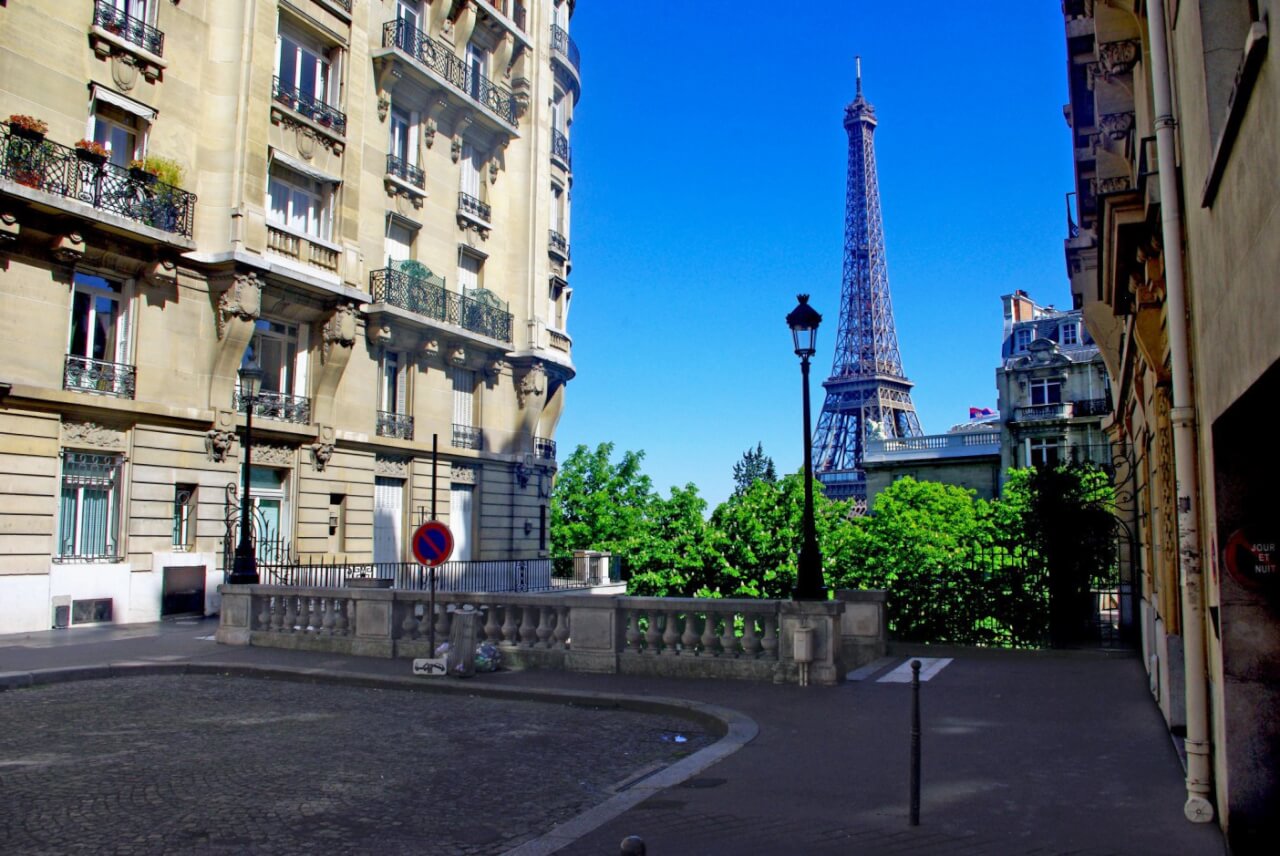
As Europe braces for another scorching summer, France remains a top destination for travelers in 2026, but the recent heat wave sweeping across iconic tourist attractions demands smart planning. From the sunbaked terraces of Parisian cafés to the lavender fields of Provence, temperatures are climbing higher than usual, prompting authorities to issue heat alerts at landmarks like the Eiffel Tower and the Louvre. Yet this doesn't mean you should cancel your trip. Instead, embrace the French art of living well by shifting your schedule: explore museums and indoor markets in the morning, enjoy a long lunch in shaded bistros, and save outdoor sightseeing for the cooler evening hours. Many cities now offer free misting stations and air-conditioned public spaces, making it easier to stay comfortable while soaking up the culture. Hydration is key, and carrying a reusable water bottle will keep you refreshed and eco-friendly.
Beyond the heat, savvy travelers can dodge common tourist traps with insider advice from locals. A recent guide by a French native reveals five simple ways to save money and experience authentic France. First, skip overpriced restaurants near major monuments—walk two blocks away for better food at half the price. Second, use regional train passes instead of pricey high-speed tickets for short hops between charming villages. Third, visit markets like Marché d'Aligre in Paris for fresh produce and picnic supplies instead of dining out for every meal. Fourth, book accommodations in residential neighborhoods rather than tourist hubs; you'll find lower rates and a more genuine vibe. Finally, take advantage of free museum days on the first Sunday of each month, which many travelers overlook. These strategies not only stretch your budget but also deepen your connection to French life.
A surprising new regulation is making headlines across Italy, France, Spain, and Malta: wearing swimwear or going nude in public outside designated beaches can now lead to hefty fines. While this law primarily targets coastal hotspots like Nice, Cannes, and Saint-Tropez, it also applies to historic town centers and lakefront promenades. For tourists, this means packing a cover-up or light clothing to slip on when leaving the beach or pool. The fines are designed to preserve local decorum and respect for cultural sites, so don't risk a costly mistake. Instead, view it as an opportunity to dress stylishly—French locals are known for their effortless chic, and a simple linen shirt or sundress will help you blend in while staying cool. Remember, the rule also extends to public fountains and squares, so always check local signage before stripping down.
Despite these challenges, France in 2026 offers unforgettable experiences that reward thoughtful planning. Consider visiting lesser-known regions like the Dordogne Valley, where medieval castles and canoe trips on the Dordogne River provide natural air conditioning. The Alps offer hiking trails with alpine breezes, while Brittany's rugged coast boasts misty, cooler weather even in July. For city lovers, Lyon's traboules (hidden passageways) offer shade and a glimpse into Renaissance history, and Bordeaux's Cité du Vin museum is fully air-conditioned. Embrace the French concept of 'flâner'—wandering without a strict itinerary—to discover quiet courtyards, local bakeries, and small galleries away from the crowds. By adjusting your expectations and packing smartly (think breathable fabrics, a hat, and sunscreen), you'll find that France's summer heat only adds to the allure of its lazy afternoons and twilight aperitifs.
Practical tip: To beat the heat and save money, plan your main sightseeing for early morning or late evening, carry a reusable water bottle to refill at public fountains, and always pack a light cover-up for beach towns to avoid fines. Download a heat alert app and check museum free-entry days before you go.