France 2026 Travel Guide: Heat, Taxes, and Smart Tips for Tourists
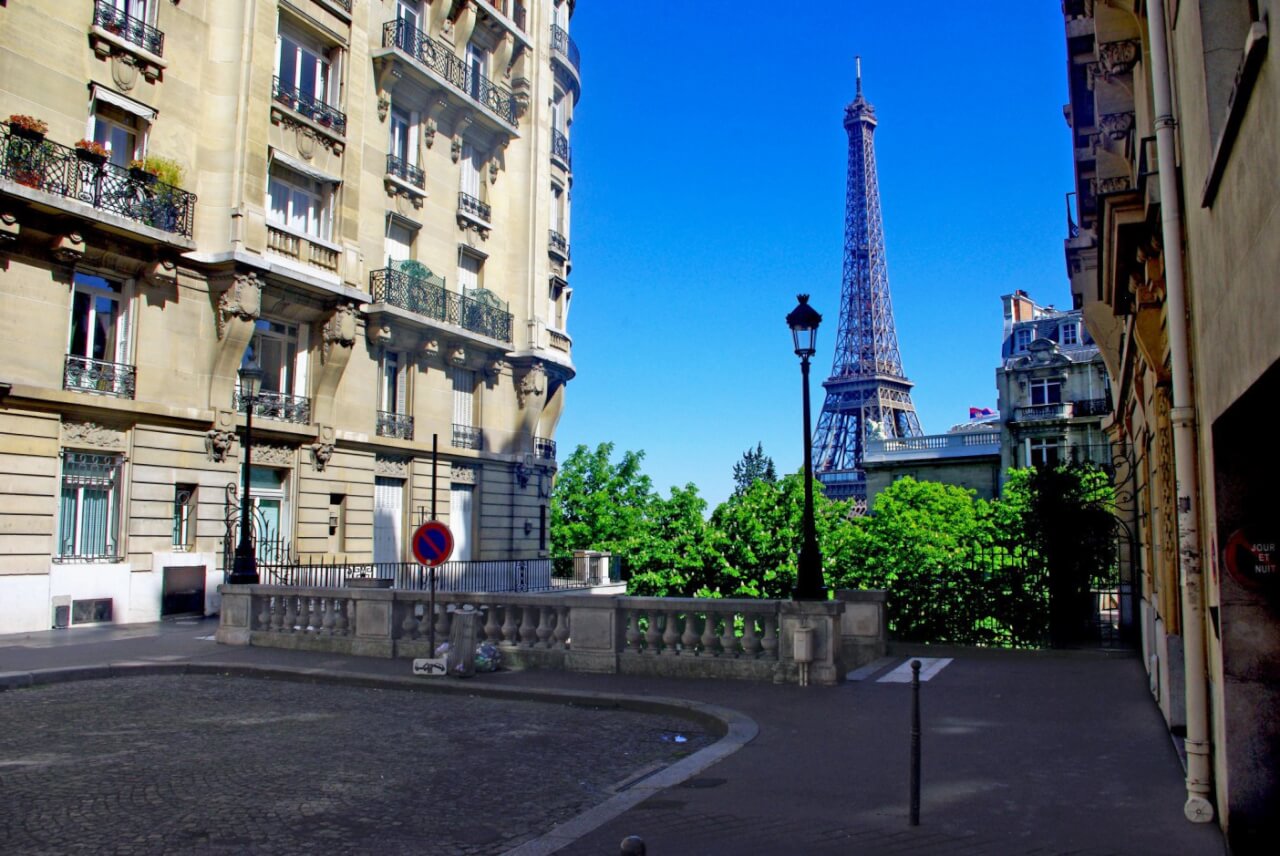
As summer 2026 approaches, France is grappling with an unprecedented heatwave that has forced the early closure of several iconic Parisian attractions. The Eiffel Tower, Louvre Museum, and Notre-Dame Cathedral have all implemented temporary afternoon shutdowns to protect visitors and staff from scorching temperatures exceeding 40°C. This move, reported by France 24, underscores the growing impact of climate change on travel. Tourists are advised to plan their visits for early mornings or late evenings, when temperatures are more bearable. Many museums now offer extended evening hours, and the city has set up misting stations and cooling rooms in public parks. While the heat may disrupt itineraries, it also offers a chance to explore Paris in a quieter, more intimate light—just remember to carry a reusable water bottle and wear breathable clothing.
In a significant policy shift, Finland has joined Italy, France, and Spain in adopting a new municipal accommodation levy aimed at funding visitor infrastructure. Starting in 2026, tourists staying in hotels, holiday lets, and short-term rentals across France will see a modest surcharge on their bills, typically ranging from €1 to €5 per night depending on the city. According to Travel And Tour World, the revenue will be reinvested into public transport, sanitation, and preservation of heritage sites—benefits that directly enhance the visitor experience. While no one loves extra fees, this tax is a transparent way to ensure tourism remains sustainable. Budget-conscious travelers can offset the cost by choosing accommodations slightly outside city centers or traveling during shoulder seasons like May or September, when rates are lower and crowds thinner.
For those looking to stretch their euros, a French local recently shared five insider strategies to save money and sidestep tourist traps, featured in Barron’s. The advice includes dining at lunchtime instead of dinner, when many bistros offer fixed-price menus at half the cost; buying museum passes online in advance to skip queues and save up to 20%; and using regional trains instead of pricey high-speed TGV services for shorter journeys. The article also warns against overpriced souvenir shops near major landmarks—instead, head to local markets like Marché d’Aligre in Paris for authentic goods. These tips resonate with the growing trend of mindful travel, where experiences trump extravagance. By adopting these habits, you can enjoy France’s rich culture without breaking the bank, leaving more room in your budget for a nice bottle of Bordeaux.
Beyond the headlines, France continues to enchant with its timeless allure—from lavender fields in Provence to the rugged coastline of Brittany. The heatwave has actually sparked a rise in agritourism, with many visitors opting for farm stays in cooler rural regions. Meanwhile, the new tourist tax is fostering better facilities: expect cleaner restrooms, improved signage, and more frequent shuttle buses in popular areas like the French Riviera. The key is flexibility. If Paris feels too hot, consider a detour to the Loire Valley, where châteaux offer shaded gardens and cave tours. Or head to the Alps, where summer hiking trails provide crisp mountain air. France’s tourism board is actively promoting these alternatives, ensuring that every traveler finds their perfect escape. The country’s resilience and adaptability make it a destination that rewards those who embrace change.
Practical tip: To beat the heat and avoid queues, book popular attractions for early morning slots (8–10 a.m.) and use apps like Citymapper for real-time updates on cooling stations. For the new tourist tax, check your accommodation’s booking confirmation for the exact surcharge—most platforms now display it transparently. Pack a reusable water bottle; many museums and train stations have free refill points. Finally, consider purchasing a France Rail Pass for regional trains—it’s cheaper than point-to-point tickets and offers flexibility. By planning ahead, you can navigate France’s 2026 challenges with ease, turning potential frustrations into memorable adventures. The country’s spirit remains as warm as its summer sun, and with these strategies, your trip will be both affordable and unforgettable.