France 2026: High-Altitude Train Thrills Amid Heat-Wave Closures
France is cementing its reputation as Europe’s ultimate adventure destination in 2026, with the launch of the continent’s highest tourist train, which now climbs to a breathtaking 2,000 metres above sea level in the Pyrenees. This thrilling high-altitude mountain journey offers travellers panoramic views of jagged peaks, lush valleys, and ancient glaciers, all from the comfort of a heritage railway carriage. The route, which connects small mountain villages, has quickly become a bucket-list experience for hikers, photographers, and nature lovers. Whether you’re an adrenaline seeker or a slow traveller, this train ride delivers an unforgettable perspective on the wild beauty of the French Pyrenees, and it’s a clear sign that France is investing in sustainable, experience-driven tourism.
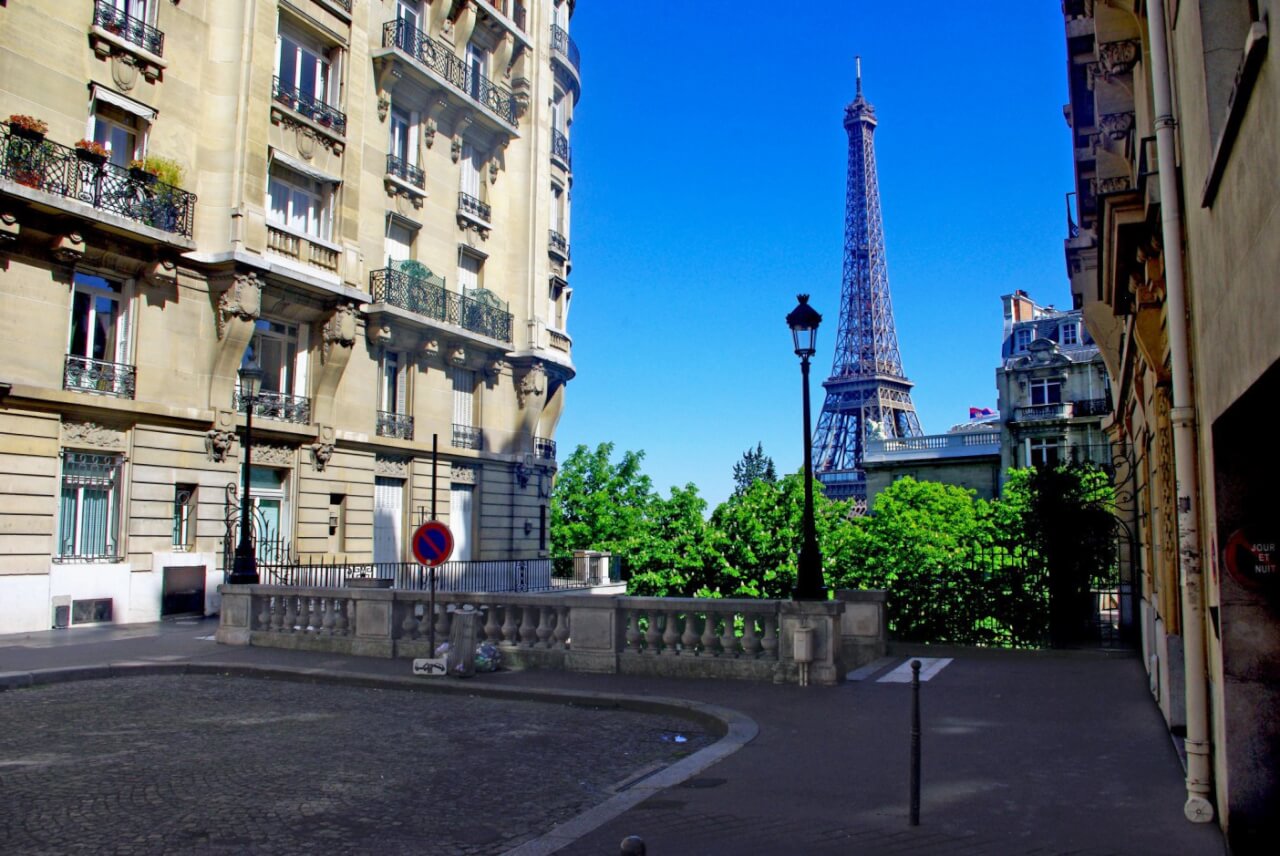
However, travellers planning a trip to France in 2026 should also be aware of the challenges posed by extreme summer heat. Recent reports confirm that several major tourist attractions in Paris, including the Eiffel Tower and the Louvre, have been forced to close early on multiple occasions due to soaring temperatures exceeding 40°C. The closures are a precautionary measure to protect both visitors and staff from heat-related health risks. While these disruptions are inconvenient, they underscore France’s commitment to visitor safety. For tourists, this means checking daily advisories, booking morning tickets, and staying flexible with itineraries. The good news is that many museums and monuments are adapting with extended evening hours and cooling zones.
Despite the heat, France remains an incredibly rewarding destination in 2026, especially if you plan wisely. The new Pyrenees train is a perfect example of how to escape the urban heat and enjoy cooler, high-altitude climates. At 2,000 metres, temperatures are often 10–15°C lower than in Paris, making it an ideal summer retreat. Additionally, the train’s route passes through charming villages where you can sample local cheeses, hike alpine trails, or simply breathe in the crisp mountain air. For those who love combining culture with nature, this journey offers a seamless blend of French heritage and outdoor adventure, all while avoiding the crowded, heat-stricken capital.
Tour operators and local authorities are responding proactively to the climate challenges. In Paris, the city has installed misting stations in public squares and increased the number of shaded rest areas in parks like the Jardin du Luxembourg. Meanwhile, the Pyrenees region is promoting its “cool tourism” initiatives, including guided sunrise hikes, river swimming spots, and evening train rides under the stars. These adaptations make France not only a resilient travel destination but also a forward-thinking one. Visitors in 2026 can expect a more comfortable, responsible travel experience, with plenty of options to tailor their trip around the weather. The key is to stay informed and embrace the unexpected—sometimes a heat-wave closure can lead to a spontaneous detour that becomes the highlight of your journey.
Practical tip: To beat the heat and crowds, book your Paris museum tickets for the first morning slot (8:30–9:00 AM) and plan a mid-afternoon break in an air-conditioned café or a shaded park. For the Pyrenees train, reserve seats at least two weeks in advance and bring layers—the temperature drops sharply above 1,500 metres.