France 2026 Travel: Beating the Heat Wave at Iconic Sites
France in 2026 is as enchanting as ever, but this summer has brought an intense heat wave that is reshaping how tourists experience the country’s most beloved landmarks. From the sun-drenched terraces of the French Riviera to the historic courtyards of the Louvre, temperatures have soared past seasonal norms, prompting authorities to issue health warnings and adjust opening hours at key attractions. While the heat can be challenging, it also offers a unique opportunity to see France in a new light—early mornings and late evenings reveal quieter streets and softer golden light, perfect for photographers and those seeking a more intimate connection with the culture. Travelers are adapting by planning smarter itineraries that prioritize indoor activities during peak midday hours, embracing the French tradition of a long, leisurely lunch in an air-conditioned bistro.
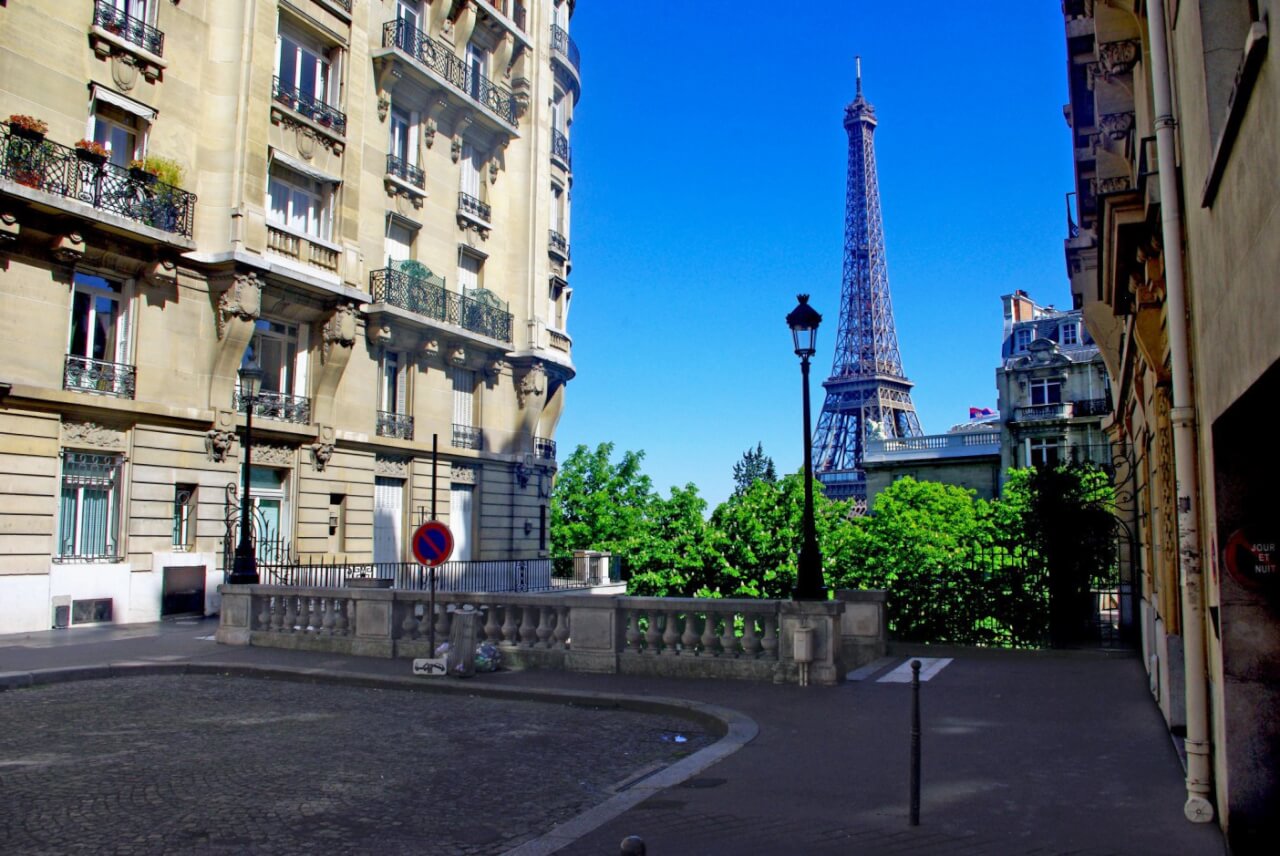
The heat wave has particularly affected outdoor attractions like the Eiffel Tower, the Palace of Versailles gardens, and the lavender fields of Provence, where midday temperatures have occasionally exceeded 40°C (104°F). In response, many sites have extended their evening hours and introduced misting stations, shaded rest areas, and free water refill points. The good news is that France’s world-class museums—the Musée d’Orsay, the Pompidou Center, and the newly renovated Carnavalet—remain cool sanctuaries, often with air conditioning and reduced crowds during the hottest part of the day. Meanwhile, the Loire Valley châteaux have begun offering early-bird tours at 7 a.m., allowing visitors to explore the grand halls and manicured gardens before the mercury rises. This adaptability shows France’s commitment to ensuring that every traveler’s experience remains magical, even under the sun’s fiercest glare.
For those planning a trip to France in summer 2026, the key is to embrace the rhythm of the heat. Start your day early with a stroll through Montmartre or a cruise on the Seine River, then retreat indoors from noon to 4 p.m. for a museum visit or a wine tasting in a climate-controlled cellar. The French have perfected the art of the long afternoon break, and you should too. Many hotels now offer complimentary chilled towels and sunscreen, while restaurants are serving refreshing summer menus featuring chilled soups, salads, and rosé. The heat wave has also sparked a delightful trend: pop-up rooftop terraces with misting fans and panoramic views of Paris, Lyon, and Nice. These spots provide a social, breezy escape where you can sip a citron pressé and watch the city shimmer in the haze.
Interestingly, the heat wave has also led to a surprising spike in French tourists traveling to cooler destinations, including a 25% increase in arrivals to Oman in 2025, according to recent reports. However, for those who remain in France, the silver lining is that the heat has dispersed crowds at peak attractions. Visitors report shorter lines at the Louvre’s Mona Lisa and more space to admire the stained glass of Sainte-Chapelle. Regional tourism boards are actively promoting lesser-known escapes like the cool caves of the Dordogne, the alpine lakes of the French Alps, and the breezy beaches of Brittany, where temperatures are often 5–10°C cooler than inland. These alternatives offer a refreshing change of pace and a chance to discover a more tranquil side of France, away from the heat-stricken hotspots.
Practical tip: Carry a reusable water bottle and take advantage of France’s free public water fountains (fontaines d’eau potable). Plan your main sightseeing for early morning or after 5 p.m., and always check attraction websites for heat-wave updates on extended hours or closures.