France 2026 Travel: Beat the Heat and Explore Smartly
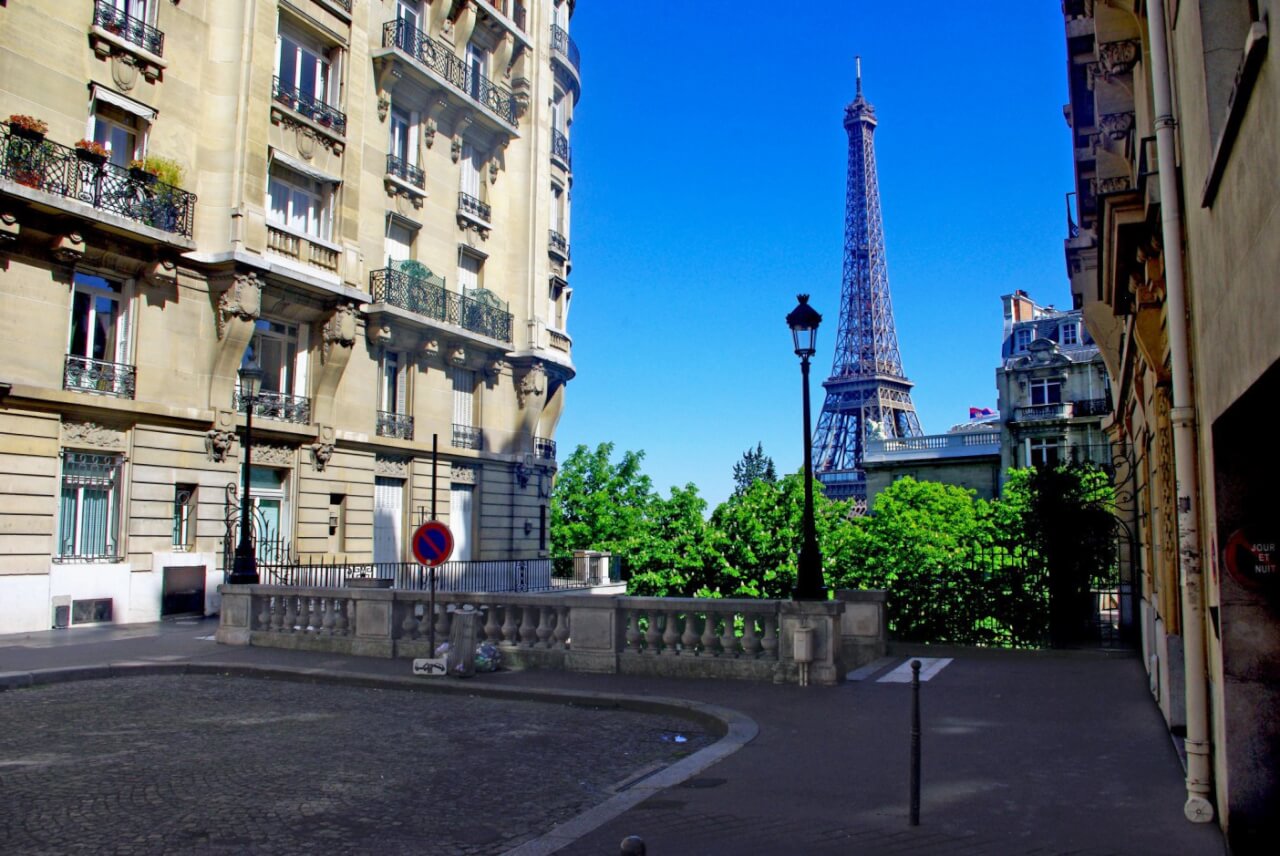
France remains one of the world’s most beloved travel destinations, and 2026 promises to be an exciting year for visitors despite the challenges posed by rising temperatures. Recent reports from sources like Skift and NDTV highlight that heat waves have been affecting top European tourist attractions, including iconic sites in France such as the Eiffel Tower, the Louvre, and the Palace of Versailles. However, this doesn’t mean you should cancel your plans. Instead, savvy travelers can adapt by choosing cooler times of day, staying hydrated, and exploring lesser-known regions that offer respite from the heat. The French tourism industry is well-prepared, with many attractions now offering extended evening hours, misting stations, and shaded waiting areas to ensure comfort. With a little foresight, your French adventure can be just as magical as ever.
One of the best strategies for beating the heat in France in 2026 is to embrace the country’s diverse geography. While Paris and the Mediterranean coast can sizzle in summer, regions like Brittany, Normandy, and the Alps provide natural air conditioning. The rugged coastline of Brittany offers cool sea breezes and charming towns like Saint-Malo and Dinan, where you can explore medieval streets without breaking a sweat. In the French Alps, even in July and August, higher-altitude villages such as Chamonix and Annecy boast pleasant temperatures perfect for hiking, cycling, or simply enjoying a lakeside picnic. These areas are not only cooler but also less crowded, giving you a more authentic taste of French life away from the tourist hotspots. Consider renting a car to create your own itinerary, allowing flexibility to chase cooler weather.
Another smart approach is to adjust your travel schedule to avoid peak heat hours. Many museums, galleries, and historical sites now offer early-bird or twilight tickets, letting you explore the Louvre or the Musée d’Orsay in the morning calm or evening glow. For outdoor attractions like the lavender fields of Provence or the vineyards of Bordeaux, plan visits for late afternoon or early evening when the sun is less intense. French cuisine also comes to the rescue: indulge in light, refreshing meals like salade niçoise, chilled soupe au pistou, or a classic tarte aux fruits. Local markets offer seasonal fruits and vegetables that help you stay hydrated and energized. Remember to carry a reusable water bottle—France has thousands of public fountains with free, safe drinking water, especially in cities like Paris and Lyon.
Interestingly, the heat wave has also spurred a trend among French travelers to seek cooler destinations abroad. According to TradeArabia, French tourist arrivals to Oman jumped 25% in 2025, reflecting a growing appetite for off-season escapes. For international visitors heading to France in 2026, this means you might encounter fewer crowds in some popular spots as locals themselves venture elsewhere. Take advantage of this by booking accommodations and tours in advance, especially for air-conditioned hotels and river cruises, which are increasingly in demand. Many French cities have also invested in green spaces and urban cooling projects, such as the Promenade Plantée in Paris or the Parc de la Tête d’Or in Lyon, where you can relax under shade trees. With a spirit of adventure and a bit of planning, the heat wave need not dampen your enthusiasm for France’s timeless charm.
Practical tip: To stay comfortable during France’s 2026 heat waves, book accommodations with air conditioning or ceiling fans, and plan major sightseeing for early morning or late evening. Carry a reusable water bottle and a portable fan—these small steps make a big difference in enjoying your trip to the fullest.