Austria 2026: Smart Travel Tips for Overtourism and Safety
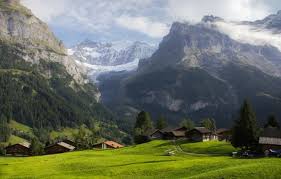
Austria remains one of Europe’s most beloved destinations, but recent headlines signal a turning point for travelers in 2026. Popular spots like Hallstatt, Salzburg, and Vienna’s historic center are pushing back against overtourism, with local authorities introducing measures to manage crowds and protect the charm that draws millions each year. For the savvy tourist, this shift is actually good news: it means fewer selfie sticks blocking your view and more authentic experiences. Instead of flocking to the same Instagram-famous landmarks, consider exploring lesser-known gems like the Wachau Valley or the alpine villages of Tyrol, where you can still find serene landscapes and genuine Austrian hospitality without the queues.
Safety is always a priority, and a recent incident—a tourist bus carrying young Hungarians catching fire on an Austrian highway—serves as a stark reminder of the importance of preparedness. Fortunately, all passengers were evacuated safely, thanks to quick-acting drivers and emergency services. This event underscores the need for travelers to choose reputable tour operators and ensure their transportation meets modern safety standards. When booking bus tours or transfers, look for companies that maintain up-to-date vehicles and have clear emergency protocols. It’s also wise to familiarize yourself with basic safety procedures, like locating emergency exits and listening to pre-departure briefings, especially when traveling with groups or children.
On a brighter note, Austria is leading the charge in redefining global travel accessibility, according to recent reports on European tourism supremacy. Together with Portugal, the Netherlands, and Spain, Austria is investing heavily in smart infrastructure, multilingual signage, and digital tools that make navigating cities and rural areas easier than ever for international visitors. Train stations, museums, and national parks are increasingly wheelchair-friendly, and free Wi-Fi hotspots are popping up in major hubs. This commitment to inclusivity means that travelers of all ages and abilities can explore Austria’s imperial palaces, ski slopes, and coffeehouses with confidence, making it a standout choice for a hassle-free European adventure in 2026.
To truly embrace Austria’s evolving tourism landscape, plan your itinerary around shoulder seasons—April to June and September to October—when the weather is pleasant but the crowds are thinner. This strategy not only reduces your impact on overburdened hotspots but also often yields lower prices on accommodation and flights. In popular cities, consider staying a short train ride away in a smaller town, such as Mödling near Vienna or St. Gilgen near Salzburg, to enjoy local culture and easy access to the main attractions. Many destinations now require advance booking for top sights like the Schönbrunn Palace or the Eisriesenwelt ice caves, so reserve online ahead of time to guarantee your spot and avoid disappointment.
Practical tip: To avoid overtourism hotspots in Austria 2026, book tickets for major attractions online at least two weeks in advance and explore alternative sites like the Krimml Waterfalls or the medieval town of Friesach. Always verify your tour bus’s safety record before booking, and download the official Austrian rail app for real-time travel updates and accessible route planning.