Austria 2026: Navigating New Travel Rules and Shifts in Tourism
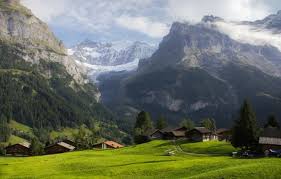
Austria, long celebrated for its Alpine beauty, imperial palaces, and classical music heritage, is entering 2026 with a dramatically reshaped tourism landscape. Recent reports reveal a staggering 80 percent decline in high-spending Arab visitors to Vienna, driven by ongoing regional conflicts and air travel disruptions. This shift has left the city’s luxury hotels, upscale boutiques, and fine-dining establishments feeling the pinch. While the drop is significant, it also opens the door for a more diverse, budget-conscious crowd to explore Vienna’s grandeur without the usual premium crowds. The Austrian tourist board is responding with creative campaigns to attract new demographics, ensuring that the country remains a top-tier destination for all types of travelers.
In a bizarre yet intriguing twist, the Austrian tourist board has begun asking visitors to sign a non-disclosure agreement (NDA) before receiving certain travel perks or accessing exclusive experiences. The initiative, reported by Globetrender and LBBOnline, aims to preserve the authenticity of hidden gems—like secret Alpine trails, private vineyard tours, or behind-the-scenes museum visits—by preventing guests from sharing exact locations on social media. While it sounds like something out of a spy novel, the NDA is voluntary and tied to a curated list of off-the-beaten-path adventures. For travelers seeking unique, uncrowded experiences, this adds an element of mystery and exclusivity that sets Austria apart from other European destinations.
For the average tourist, these changes mean a more personalized and less commercialized visit. The decline in Middle East tourism has led to competitive pricing in Vienna’s high-end sector, with five-star hotels offering attractive packages and Michelin-starred restaurants becoming more accessible. Meanwhile, the NDA program encourages travelers to disconnect from their phones and immerse themselves in the moment—a refreshing shift in the age of oversharing. Whether you’re strolling through the cobblestone streets of Salzburg, skiing in Tyrol, or enjoying a coffeehouse in Vienna, the atmosphere feels more intimate and genuine. Austria is doubling down on quality over quantity, and savvy tourists stand to benefit.
Beyond the headlines, Austria remains a beacon of sustainable and thoughtful tourism. The government is investing in eco-friendly transport links, including expanded train routes from major European cities, making it easier to explore without a car. The NDA initiative aligns with broader efforts to protect natural and cultural treasures from overtourism. Visitors can still enjoy iconic sites like Schönbrunn Palace, Hallstatt, and the Danube Valley, but with a gentle nudge to venture further. Regional tourism boards are promoting lesser-known gems like the Waldviertel region or the Lechweg trail, ensuring that even repeat visitors find something new. The key is to plan ahead and embrace the slower pace that Austria is championing for 2026.
Practical tip: Book your Vienna hotel early to snag deals caused by reduced Middle East demand, and consider joining the NDA program for exclusive adventures—just be ready to keep the secret spots to yourself. For a truly authentic trip, rent a bike in the Wachau Valley or take a train to the Zillertal Alps, where crowds are thin and scenery is spectacular. Always check the latest travel advisories regarding air routes, as disruptions may affect connections from the Middle East and Asia. With a flexible itinerary, you’ll discover that Austria’s charm lies not only in its famous landmarks but also in its quiet corners and warm hospitality—perfect for a memorable 2026 journey.