Austria 2026: Navigating Change with New Travel Innovations
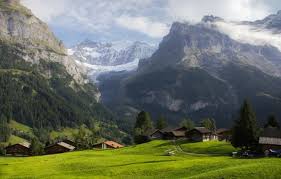
Austria, long celebrated for its alpine charm, imperial history, and musical heritage, is entering 2026 with a transformed travel landscape. Recent reports indicate a sharp decline in Middle Eastern tourism, with Vienna experiencing an 80 percent drop in high-spending Arab visitors. This shift stems from regional conflicts and air travel disruptions that have rerouted many luxury travelers to alternative destinations. While this may sound concerning, it opens a quieter, more intimate window for other globetrotters. The cobblestone streets of Salzburg, the grand halls of Schönbrunn Palace, and the serene shores of Hallstatt are now less crowded, offering a rare chance to experience Austria's timeless beauty without the usual throngs. For tourists seeking authentic connections, this is an unexpected silver lining.
In a bold and unconventional move, the Austrian tourist board has introduced a quirky request: asking visitors to sign a non-disclosure agreement (NDA) before exploring certain attractions. Initially reported by travel outlets like Globetrender and LBBOnline, this initiative is designed to preserve the magic and surprise of Austria's hidden gems. Imagine discovering a secret garden in the Wachau Valley or a private vineyard in Styria, only to be asked not to spoil it for others on social media. While the NDA is not legally binding for general tourists, it adds a playful layer of mystery to the journey. This approach reflects Austria's commitment to sustainable tourism and authentic experiences, encouraging travelers to be present rather than distracted by their phones.
Despite these changes, Austria remains a top-tier destination for culture, nature, and cuisine. Vienna's coffeehouse culture, a UNESCO intangible heritage, continues to thrive, offering refuge in elegant cafés like Café Central or Demel. The city's museums, from the Belvedere to the Albertina, are showcasing world-class exhibitions in 2026, with fewer queues thanks to the dip in visitor numbers. Meanwhile, the Austrian Alps are as breathtaking as ever, with ski resorts like St. Anton and Ischgl investing in eco-friendly lifts and snow-making technology. Travelers can also explore the Danube River's cycling paths, which wind through vineyards and medieval towns, or indulge in farm-to-table dining at traditional Heurigen wine taverns. The essence of Austria—warm hospitality and stunning landscapes—remains intact.
The decline in Middle Eastern tourism has prompted Austrian businesses to innovate, offering more personalized services to attract a diverse global audience. Boutique hotels in Vienna and Salzburg are curating bespoke experiences, from private Mozart concerts to guided hikes through the Salzkammergut lake district. Local tour operators are also emphasizing value, with package deals that include skip-the-line access to popular sites and complimentary wine tastings. For budget-conscious travelers, this means better rates on accommodations and tours, especially during the shoulder seasons of spring and autumn. The Austrian government is simultaneously promoting lesser-known regions like Burgenland and Carinthia, where thermal spas and rustic villages await. This strategic pivot ensures that tourism benefits all corners of the country, not just the iconic hotspots.
Practical tip: To make the most of Austria in 2026, book your flights and hotels early for the best deals, especially in Vienna and Salzburg where demand is stabilizing. Consider visiting during April or October for mild weather and fewer crowds, and don't hesitate to ask locals about NDA-protected secrets—they might just share a hidden trail or a family-run restaurant off the beaten path.