Austria 2026: New Tourism Push and Safety Tips for Travelers
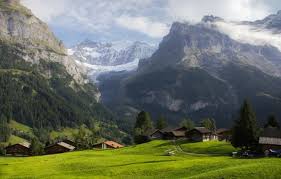
Austria is stepping into 2026 with a bold vision for global travel supremacy. Alongside Portugal, the Netherlands, and Spain, the country has been recognized by Travel And Tour World for redefining accessibility and connectivity across Europe. Enhanced rail links, streamlined visa processes, and expanded digital infrastructure are making it easier than ever for tourists to explore Austria’s alpine villages, imperial cities, and pristine lakes. This new push promises a seamless journey from the moment you land in Vienna or Salzburg, with multilingual signage and real-time travel apps at your fingertips. For the conscious traveler, Austria is also doubling down on sustainable tourism, offering incentives for off-peak visits and eco-friendly accommodations. It’s an exciting time to plan a trip, as the country positions itself as a leader in the continent’s tourism revolution, ensuring that every visitor feels welcomed and well-supported.
However, recent news serves as a sobering reminder that safety must always come first. A tourist bus carrying young Hungarian passengers caught fire on an Austrian highway, as reported by Daily News Hungary. Emergency services responded quickly, and while the incident was alarming, it underscores the importance of choosing reputable transport operators and staying alert. Austria’s road safety standards are among the best in Europe, but accidents can happen. Travelers should always check that their tour buses have up-to-date safety certifications, fire extinguishers, and emergency exits. If you’re renting a vehicle, ensure it’s from a licensed provider and familiarize yourself with local traffic laws. The Austrian authorities have since launched an investigation, and the incident has sparked renewed discussions about passenger safety protocols for long-distance coaches, especially those carrying groups.
In a surprising move, the Austrian tourist board has asked some visitors to sign a non-disclosure agreement (NDA) before accessing certain exclusive experiences, according to Globetrender. This unusual request has raised eyebrows in the travel community, but it’s part of a broader trend to protect hidden gems from overtourism. The NDA applies to select behind-the-scenes tours, private wine tastings in Wachau, and secret hiking trails in Tyrol. While it may feel off-putting at first, think of it as a badge of honor—a chance to discover places that remain unspoiled by crowds. The board emphasizes that this is not about secrecy but about preservation, ensuring that fragile ecosystems and local traditions are respected. For the adventurous traveler, this adds an element of intrigue and exclusivity to an Austrian holiday, making each discovery feel personal and privileged.
Despite these quirks, Austria remains one of Europe’s safest and most rewarding destinations in 2026. The country’s tourism infrastructure is world-class, from the efficient ÖBB railway network to the well-marked hiking paths in the Alps. Cities like Graz, Innsbruck, and Linz are investing in cultural festivals and culinary experiences that highlight regional flavors. Meanwhile, rural areas are embracing agritourism, inviting visitors to stay on working farms and learn about cheese-making or schnapps distillation. The Austrian approach is holistic: they want you to leave with memories, not just photos. Even the NDA initiative, though controversial, is rooted in a desire to protect the very landscapes and traditions that draw millions of visitors each year. With careful planning, your trip can be both enriching and hassle-free, offering a perfect blend of history, nature, and modern convenience.
Practical tip: Always carry a printed copy of your travel insurance and emergency contact numbers, especially when using group transport in Austria. For exclusive NDA experiences, read the terms carefully—they typically only last 48 hours and are meant to protect fragile sites. Stay flexible and enjoy the journey.