Austria 2026: Record Tourism Boom and Surprising NDA Twist
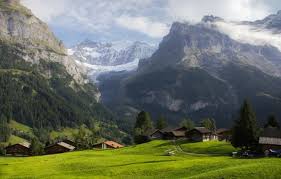
Austria is experiencing an extraordinary tourism boom in 2026, with Vienna at the epicenter of a record-breaking influx of visitors. The capital city has reported unprecedented numbers of tourists, leading to a surge in tax revenues that are funding infrastructure improvements and cultural preservation projects. According to recent reports, Vienna’s museums, coffeehouses, and imperial palaces are busier than ever, yet the city remains as charming and inviting as always. The local government has invested in better public transport, cleaner streets, and enhanced digital services to ensure that the experience for travelers remains top-notch. For visitors, this means more opportunities to enjoy world-class attractions, though planning ahead is now more important than ever to secure tickets and accommodations during peak seasons.
In a surprising development, the Austrian tourist board has introduced a new initiative requiring some visitors to sign a non-disclosure agreement (NDA) before accessing certain exclusive experiences. This move, covered by outlets like Globetrender and LBBOnline, aims to protect the privacy of high-profile guests and preserve the authenticity of hidden gems, such as private Alpine lodges, secret vineyard tours, and behind-the-scenes cultural events. While this might sound unusual, it reflects Austria’s commitment to offering unique, curated experiences that go beyond typical tourist fare. The NDA is not required for general travel—only for select, premium activities that promise a deeper connection with local traditions. Travelers who embrace this can enjoy a sense of discovery and exclusivity that few destinations provide.
The record tourist numbers have also sparked positive changes across Austria’s regions. In Salzburg, the birthplace of Mozart, visitor taxes are funding the restoration of historic landmarks and the expansion of walking trails through the Salzkammergut lake district. In the Tyrolean Alps, ski resorts are using additional revenue to upgrade lifts and introduce sustainable snowmaking technologies, ensuring reliable winter sports even in changing climates. Meanwhile, the Wachau Valley has seen new bike paths and wine-tasting stations, making it easier for tourists to explore the region’s famous vineyards. These improvements mean that travelers in 2026 can expect smoother logistics, better amenities, and a more immersive experience—whether they’re hiking in the mountains, exploring medieval towns, or savoring a slice of Sachertorte in a Viennese café.
Despite the boom, Austria remains a destination that prioritizes quality over quantity. The NDA initiative, though unconventional, is part of a broader strategy to manage tourism sustainably and preserve the country’s unique character. Local tourism boards are encouraging visitors to explore lesser-known regions, such as the Bregenzerwald or the Gesäuse National Park, to avoid overcrowding while still enjoying Austria’s natural beauty. The country’s commitment to sustainability is evident in its push for eco-friendly accommodations, farm-to-table dining, and carbon-neutral transport options. For instance, the ÖBB railway network now offers discounted fares for tourists who travel during off-peak hours, reducing congestion and environmental impact. These efforts ensure that Austria’s charm endures for generations to come, making it a model for responsible tourism in Europe.
Practical tip: To make the most of your 2026 trip, book popular attractions like Schönbrunn Palace or the Hallstatt salt mines at least two months in advance, and consider traveling in shoulder seasons (May or September) for fewer crowds and lower prices. If you’re offered an NDA for a special experience, don’t be alarmed—it’s a sign you’ve unlocked something truly memorable.