Austria 2026: Smarter Travel for a Timeless Alpine Escape
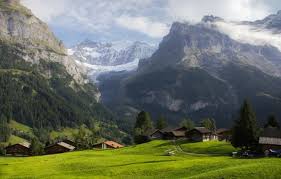
Austria has long been a jewel of European travel, from the imperial grandeur of Vienna to the alpine serenity of Tyrol. But in 2026, the country is grappling with a new reality: too many visitors in too few places. Recent reports highlight that popular spots like Hallstatt, Salzburg, and the Wachau Valley are feeling the strain of overcrowding, leading local communities to call for more sustainable tourism practices. Far from a warning, this shift is an invitation for travelers to explore smarter. Austria remains as enchanting as ever—its meadows still bloom, its coffeehouses still hum, and its mountain air still clears the mind. The key is to adapt, not avoid. By choosing lesser-known regions, traveling outside peak hours, and supporting local businesses, you can experience the magic of Austria without contributing to the crush. This is a moment to rediscover the country on its own terms, with respect for the places and people who make it so special.
The news isn’t all about crowds. Austria is also making headlines for its leadership in redefining travel accessibility. Alongside Portugal, Netherlands, and Spain, Austria is investing in seamless, multi-modal transport that connects cities to countryside via efficient trains, e-bike networks, and clear signage. This means you can glide from a Mozart concert in Salzburg to a quiet hike in the Salzkammergut without a car. The country’s commitment to green tourism is genuine: many regions now offer digital passes that bundle public transit, attraction entries, and local discounts, reducing friction and encouraging off-the-beaten-path exploration. For the savvy traveler, this is a golden opportunity. Instead of jostling for a selfie at the iconic Hallstatt viewpoint, consider the serene lakes of Fuschl or the medieval charm of Friesach. Austria’s infrastructure supports spontaneous detours, and the reward is a deeper connection to the landscape and its traditions.
Safety remains a top priority, and recent incidents remind us to stay vigilant. In a sobering event, a tourist bus carrying young Hungarians caught fire on an Austrian highway, though quick response prevented casualties. Such events are rare, but they underscore the importance of choosing reputable tour operators and checking vehicle safety records—especially when booking budget trips. Austria’s emergency services are among the best in Europe, and the country maintains rigorous standards for transport. For independent travelers, this means peace of mind: the roads are well-maintained, signage is clear, and mountain rescue teams are highly trained. Still, it’s wise to carry travel insurance, keep emergency numbers handy, and avoid overloading vehicles. The Austrian Tourist Board has also launched a campaign promoting responsible driving and rest stops, ensuring that your journey is as safe as it is scenic. With a little preparation, you can focus on the views rather than the worries.
The overtourism conversation has sparked creative solutions across Austria. In Vienna, timed-entry tickets for the Schönbrunn Palace have spread crowds more evenly, while the city’s ‘Quiet Zones’ in parks offer respite. In Tyrol, villages like Alpbach and St. Anton are promoting ‘slow travel’ weeks with capped visitor numbers, farm stays, and guided nature walks that delve into alpine ecology. Even Hallstatt, often overwhelmed by day-trippers, now encourages overnight stays with special packages that include after-hours access to the historic salt mines and lakeside dinners. These initiatives don’t diminish the experience—they enhance it. By booking ahead, traveling midweek, and staying longer in one place, you’ll find empty trails, authentic interactions, and a pace that allows for spontaneity. Austria is proving that tourism can be a force for good when visitors become temporary custodians rather than consumers. The country’s charm lies not in its postcard perfection, but in the quiet moments between the crowds.
Practical tip: Book train tickets and accommodation at least two months ahead for popular regions like Hallstatt or the Salzkammergut; consider visiting in shoulder seasons (May or September) when crowds thin and prices drop. Always carry a reusable water bottle—Austrian tap water is pristine and free at public fountains. For a unique, uncrowded experience, explore the southern state of Carinthia, where crystal-clear lakes and medieval castles await without the tourist rush. Finally, download the ÖBB app for real-time transit updates and digital tickets—it’s your key to stress-free, eco-friendly travel across Austria.