Austria 2026: Redefining Accessible Alpine Adventures and Tourism Trends
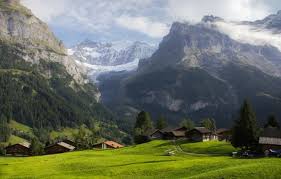
Austria is stepping into the global spotlight as part of a European coalition—alongside Portugal, Netherlands, and Spain—that is redefining what accessible travel means in 2026. According to recent reports, these nations are leading a 'tourism supremacy' race by investing in seamless infrastructure, multilingual services, and barrier-free experiences. For Austria, this means upgraded mountain railways, digital navigation tools for remote valleys, and expanded public transport links between cities like Vienna, Salzburg, and Innsbruck. The goal is to make the country's iconic Alpine landscapes and cultural treasures reachable for everyone, from solo backpackers to families with strollers. This shift promises to reduce travel friction and open up hidden gems that were once difficult to access, aligning perfectly with the growing demand for inclusive, stress-free holidays.
In a quirky yet intriguing move, the Austrian tourist board has introduced a voluntary non-disclosure agreement for select visitors—a first in global tourism. While the initiative initially raised eyebrows, it is designed to protect exclusive experiences such as private vineyard tours in Wachau, behind-the-scenes access to the Vienna Philharmonic, or guided walks through pristine Alpine meadows. The NDA ensures that these unique moments remain intimate and uncrowded, preserving their magic for future participants. Travelers who sign up get priority booking and personalized itineraries, creating a sense of discovery that mass tourism often erodes. This innovative approach reflects Austria's commitment to quality over quantity, appealing to adventurers who value authenticity and exclusivity in their journeys.
Geopolitical tensions are subtly reshaping how travelers plan their Austrian getaways, according to tourism analysts. Shifts in global travel patterns mean that visitors from North America and Asia are increasingly booking longer stays, often combining Austria with neighboring countries like Czech Republic or Italy to maximize value. Meanwhile, regional tourists from Germany and Switzerland are favoring last-minute trips to avoid uncertainty. Austria's tourism board has responded by offering flexible cancellation policies, enhanced safety protocols, and real-time updates on border crossings. The result is a more resilient travel ecosystem that adapts to global changes without compromising the warm, welcoming atmosphere that defines Austrian hospitality. For tourists, this means greater confidence to explore, whether it's skiing in Tyrol or attending a summer festival in Styria.
The buzz around Austria in 2026 is not just about logistics—it's about rediscovering the soul of the country. From the fairy-tale charm of Hallstatt to the vibrant coffeehouse culture of Vienna, every region is polishing its offerings. New hiking trails in the Hohe Tauern National Park now include interpretive signs in multiple languages, while culinary tours in Burgenland highlight organic wines and farm-to-table dining. The emphasis on sustainable tourism means that visitors can enjoy these experiences with a lighter ecological footprint, thanks to initiatives like carbon-offset train passes and plastic-free hotel initiatives. Whether you're a history buff exploring medieval castles or an adrenaline seeker paragliding over the Alps, Austria in 2026 is poised to deliver memories that last a lifetime, all while respecting the environment that makes it so special.
Practical tip: Book your 2026 Austria trip early—especially for NDA-protected experiences and peak-season Alpine treks—to secure exclusive access and avoid last-minute price hikes. Consider the Austria Card for unlimited train travel and museum discounts.